
Description
Microseris scapigera is a herbaceous perennial plant belonging to the Asteraceae family. Known in some regions as an edible green, it is appreciated for its mild taste and nutritional profile. The plant typically grows as a cluster of basal leaves and produces distinct flowering stalks, making it a unique addition to both gardens and niche agricultural production.
The native range of this species covers regions of Australia and New Zealand, where it is found in grasslands and open forest environments. Historically used by indigenous populations for its edible roots and foliage, it has gained attention in modern horticulture as a hardy, low-maintenance green crop. Its adaptability to diverse environments makes it an interesting subject for small-scale cultivation.
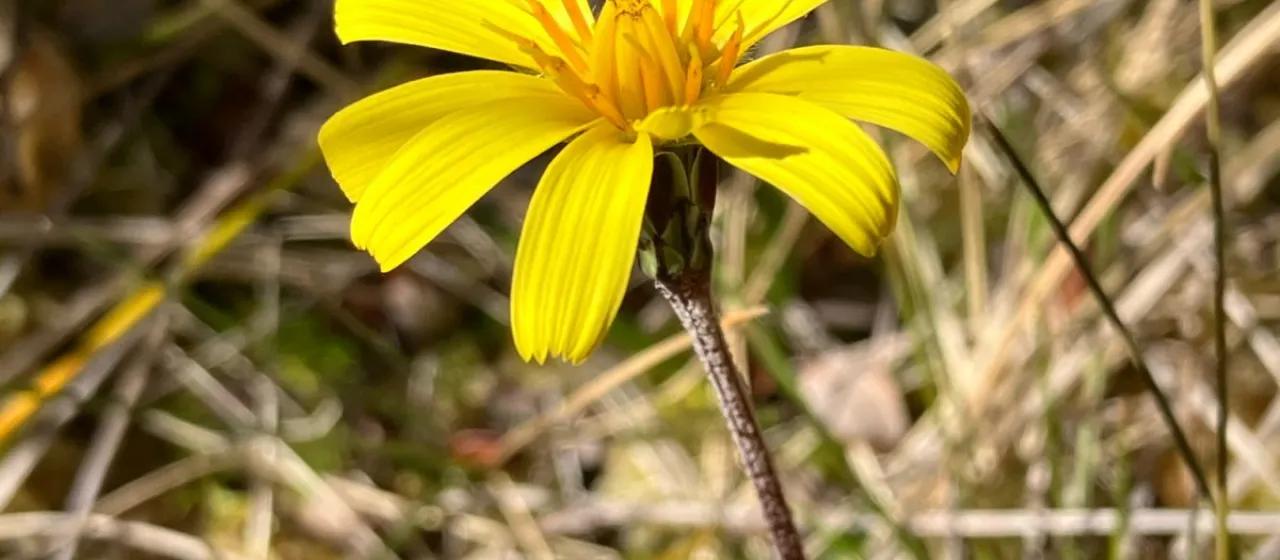
Botanically, Microseris scapigera is characterized by a strong taproot and a rosette of leaves that can vary in shape from entire to pinnately lobed. The plant produces yellow, daisy-like flowers on long, leafless stalks (scapes), which give the species its specific epithet. The seeds are light and often dispersed by wind, similar to other members of the dandelion tribe within the Asteraceae family.
To cultivate Microseris successfully, growers should ensure well-draining, nutrient-rich soil. It thrives in temperate climates, requiring consistent moisture during the growing phase but showing sensitivity to waterlogged conditions. The plant performs best in full sun or partial shade. Regular weeding is necessary during the seedling stage to minimize competition for nutrients and space.
- Fresh consumption in salads and sandwiches.
- Utilizing foliage for nutrient-dense green juices.
- Sustainable cultivation for biodiversity-focused gardens.
Common pests include slugs and snails, which can cause significant damage to the succulent leaves in early spring. Aphids may also infest the plants during warmer spells. Disease management focuses on preventing fungal issues like powdery mildew through adequate spacing and ensuring good airflow. Maintaining healthy, non-compacted soil is essential to ensure vigorous root development and overall resistance.