
Description
Microstachys corniculata is a plant species belonging to the diverse Euphorbiaceae family. It is recognized for its unique morphological features which make it an interesting subject for botanical study and specialized agricultural research. As a member of this large family, it shares typical characteristics such as the presence of specialized structures for seed dispersal and internal sap production.
The plant originates from the tropical and subtropical regions of Asia and parts of Australia. Its natural habitat includes environments with high humidity and consistent rainfall, allowing it to thrive in diverse soil types ranging from loamy textures to more organic substrates found in forest edges and clearings.
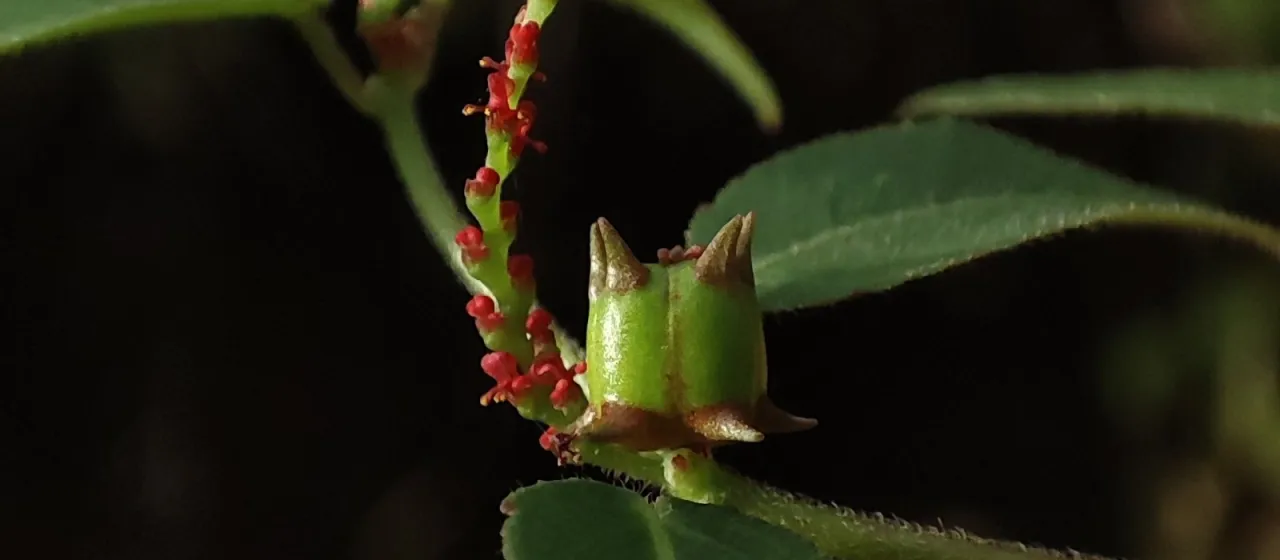
Botanically, the species is characterized by its small, simple leaves and spike-like inflorescences. The fruit is a capsule, and its distinct appearance is a diagnostic feature used in taxonomical identification. Like many of its relatives, the plant may contain complex chemical compounds within its sap, which serve as a natural defense mechanism against herbivores.
The cultivation of this plant requires specific attention to soil drainage and environmental stability. It performs best in conditions that mimic its natural tropical environment, specifically requiring warm temperatures and moderate to high humidity levels. Growers must ensure that the growing medium does not remain waterlogged to prevent root system distress.
While not a widely commercialized commodity crop, Microstachys corniculata holds value in botanical collections and potential phytochemical research. Common pests for this species include spider mites and whiteflies, which are typical for tropical plants grown in controlled environments. Disease management is primarily focused on preventing fungal infections caused by poor ventilation or excessive moisture.