
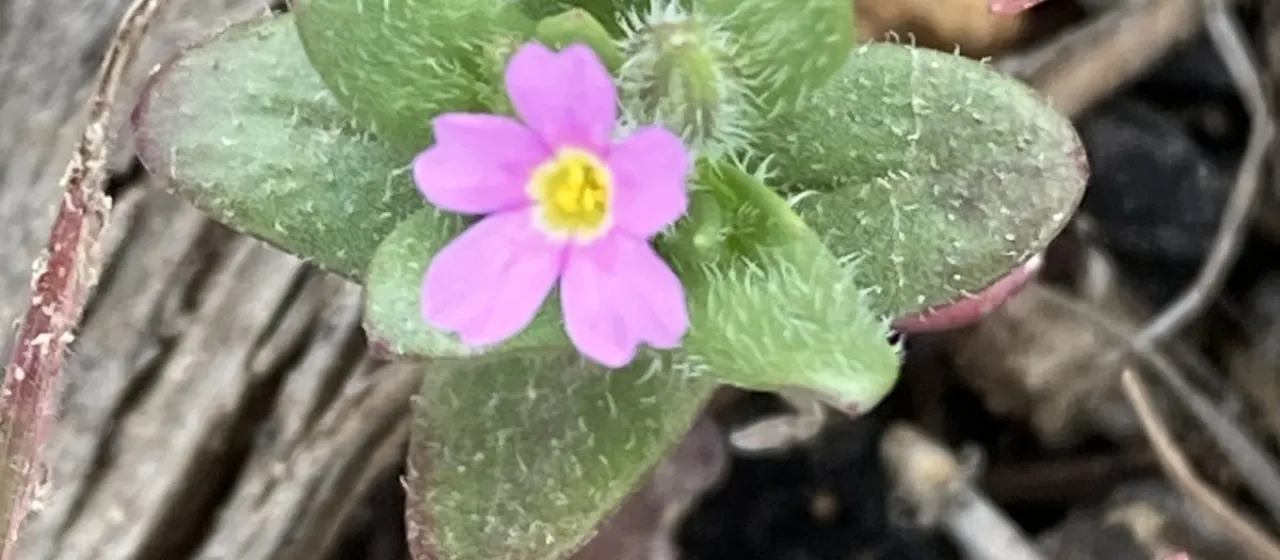
Description
Microsteris gracilis is an annual herbaceous plant classified within the Polemoniaceae family. Known commonly as the slender phlox or annual phlox, it is a significant species in various North American ecosystems, valued for its ability to thrive in challenging environments where many other plants fail to establish.
The species is native to western North America, spanning habitats that range from rocky slopes and dry grasslands to open shrublands. Its evolutionary success is attributed to its high adaptability, allowing it to complete its entire life cycle during the brief periods of moisture availability that characterize its home environments.
Botanically, it is a small plant that typically grows to a height of 5–20 cm. It features narrow, opposite leaves and delicate, small flowers that range in color from white to pale pink or lavender. The plant's structure is optimized for efficient resource use, which is a characteristic trait of many species in the Polemoniaceae family.
Regarding soil and climatic requirements, Microsteris gracilis prefers well-draining, coarse-textured soils with low to moderate nutrient levels. It is highly resistant to drought and can tolerate a variety of light conditions, although it thrives best in open, sunny locations. It is not traditionally cultivated as a crop, but it plays a role in rangeland ecology.
Typical threats include common fungal pathogens like powdery mildew, which may occur in excessively humid microclimates, and occasional infestations by sap-sucking insects. Effective land management practices that prioritize natural biodiversity often create the ideal conditions for this species to flourish without the need for active agronomic intervention.