
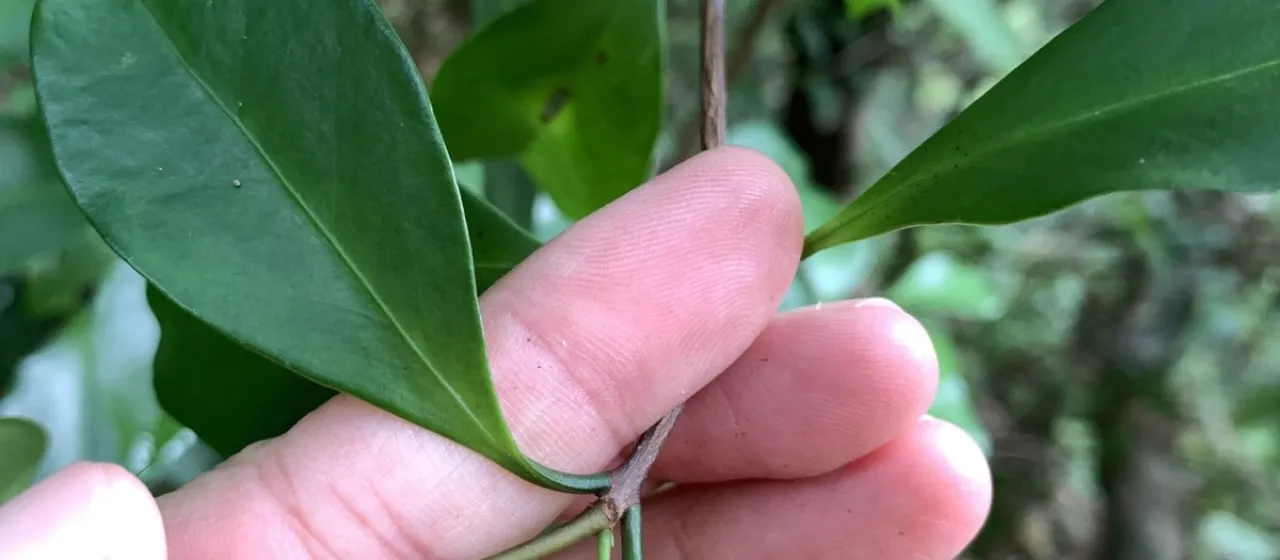
Description
Japanese microtropis (Microtropis japonica) is an evergreen shrub or small tree belonging to the Celastraceae family. Known for its compact and dense growth habit, it is highly regarded for its constant foliage coverage throughout the year, making it a reliable choice for greenery.
The native habitat of this species includes the subtropical regions of East Asia, specifically Japan, China, and Taiwan. In its wild state, it thrives as an understory plant in humid broad-leaved forests, where it benefits from filtered sunlight and high ambient humidity levels characteristic of its home environment.
The botanical characteristics of Microtropis japonica include glossy, leathery, elliptic leaves arranged in opposite pairs. The plant produces insignificant, small flowers in leaf axils. Its primary biological strength lies in its slow growth rate, which allows it to maintain a precise shape for long periods with minimal intervention.
For successful cultivation, the plant requires well-drained, fertile soil with a neutral to slightly acidic pH. It performs best in partial shade, as intense sunlight can cause leaf chlorosis or tissue damage. Consistent moisture is crucial, although the root system must be protected from prolonged waterlogging to prevent decay.
In landscape management, this species is utilized as an ornamental plant for hedging, topiary, or as a structural element in woodland-style gardens. It is appreciated for its resilience, provided it is protected from harsh freezing temperatures and extreme desiccating winds which it is not evolutionarily adapted to endure.
- Light: Partial shade to filtered light.
- Soil: Humus-rich, well-draining substrate.
- Maintenance: Annual pruning to shape the canopy and remove dead wood.
- Pests: Watch for scales and spider mites in dry environments.