
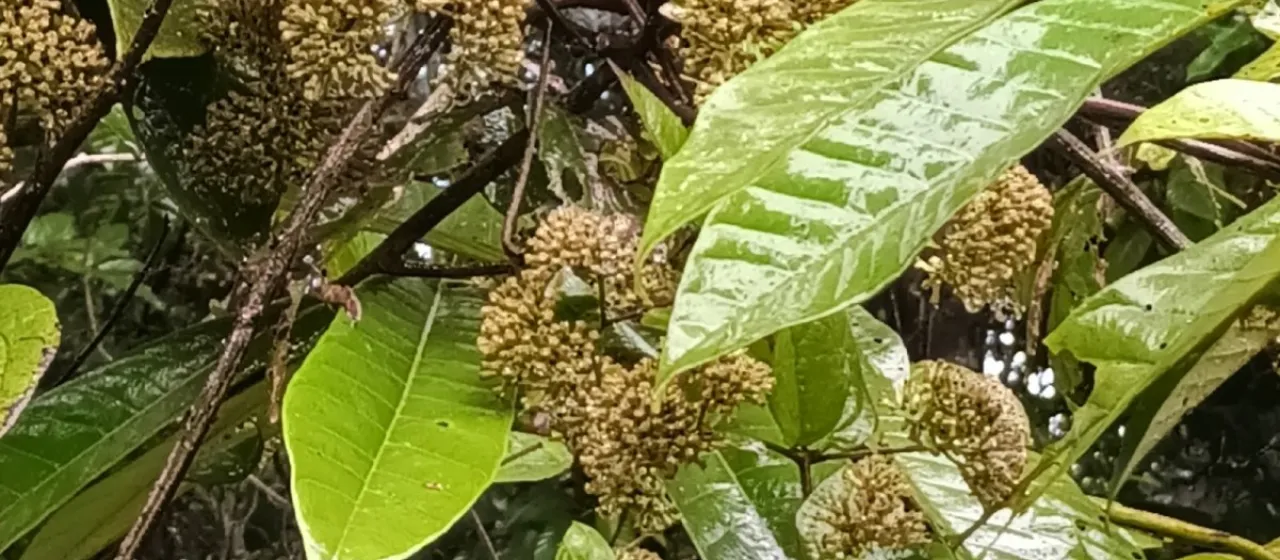
Description
Mikania parviflora is a perennial herbaceous plant or climbing vine belonging to the Asteraceae family. This species is native to the diverse ecosystems of South America, particularly within the tropical regions of Brazil. It is characterized by its rapid growth habit and specific biochemical composition, which makes it a subject of interest in agricultural and botanical research.
The natural habitat of this plant involves humid forest environments where it thrives as part of the understory vegetation. Its distribution is closely linked to tropical and subtropical climate zones characterized by high precipitation levels and consistently warm temperatures throughout the year. Cultivation outside its native range is generally restricted to controlled greenhouse conditions.
Botanically, Mikania parviflora features flexible, climbing stems and simple, opposite leaves that contribute to its efficiency in capturing sunlight in densely shaded areas. The flowers are small, typically organized in capitula (flower heads), which is a diagnostic feature of the Asteraceae family. The root system is relatively shallow, requiring stable moisture levels in the rhizosphere for optimal development.
Agricultural requirements include well-drained, nutrient-rich soils that retain moisture without becoming waterlogged. The cultivation process mandates a warm climate, with protection from extreme cold or direct, scorching sunlight. Proper spacing is essential to ensure adequate airflow, which significantly reduces the risk of pathogens developing in the dense foliage of the vines.
The primary economic use of this plant is found in the pharmaceutical industry due to the presence of specific sesquiterpene lactones with pharmacological potential. Managing the crop requires careful monitoring for common agricultural pests such as aphids and spider mites. Effective disease control typically involves maintaining proper plant hygiene and managing soil moisture to prevent fungal infections such as root rot and mildew.