
Description
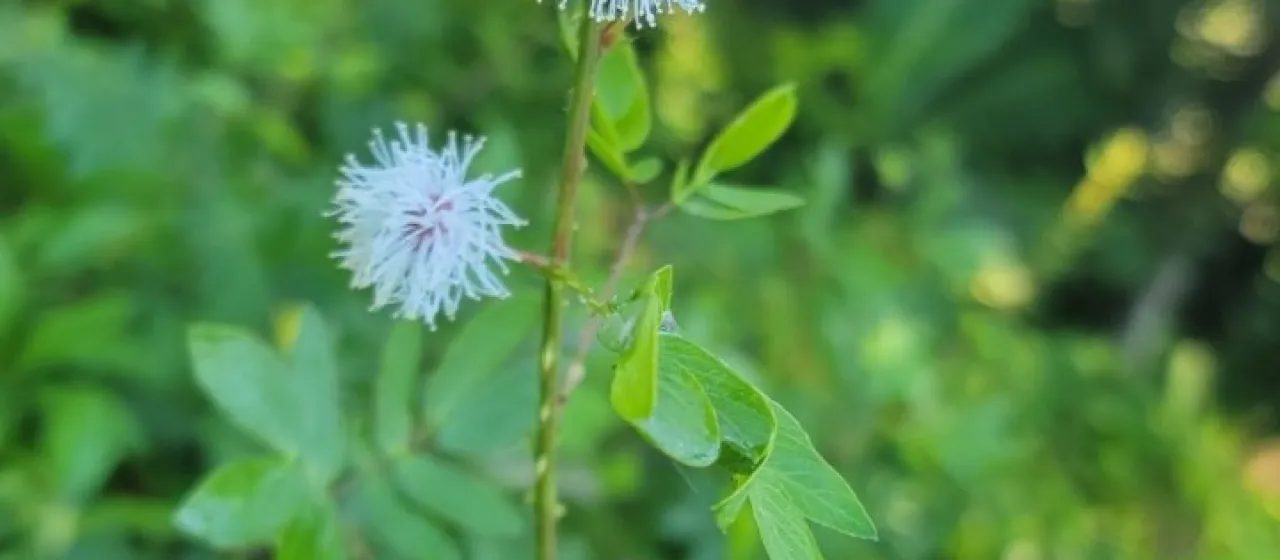
Mimosa casta is a perennial herb or subshrub belonging to the Fabaceae family. It is widely recognized for its high sensitivity to tactile stimuli, causing its compound leaves to fold inward rapidly. This phenomenon serves as a protective mechanism against herbivores and environmental stressors in its native habitat.
Originating from the tropical regions of the Americas, this species thrives in environments with high humidity and consistent warmth. It is naturally found in forest clearings and riparian zones, where it colonizes disturbed soil. Its adaptability allows it to persist in various tropical ecosystems, provided the nutrient levels and solar exposure are adequate.
The morphology of this plant features pinnate leaves arranged along thorny stems and globular floral heads typically colored in shades of purple or pink. As a legume, it contributes to soil nitrogen enrichment, which can be an ecological advantage in intercropping systems within experimental tropical agriculture.
Cultivation requirements for Mimosa casta include well-draining, nutrient-rich soil and full sun exposure. In managed environments, it is crucial to maintain high relative humidity to ensure healthy leaf turgor. The plant does not tolerate cold temperatures, making greenhouse cultivation essential for temperate zones, ensuring that soil moisture is balanced to avoid root rot.
While primarily cultivated for decorative and scientific purposes, the species requires careful pest management. Typical issues include:
- Spider mites that thrive in dry indoor conditions.
- Aphids, which can damage new, succulent growth.
- Fungal infections, particularly root rot, due to over-irrigation.