
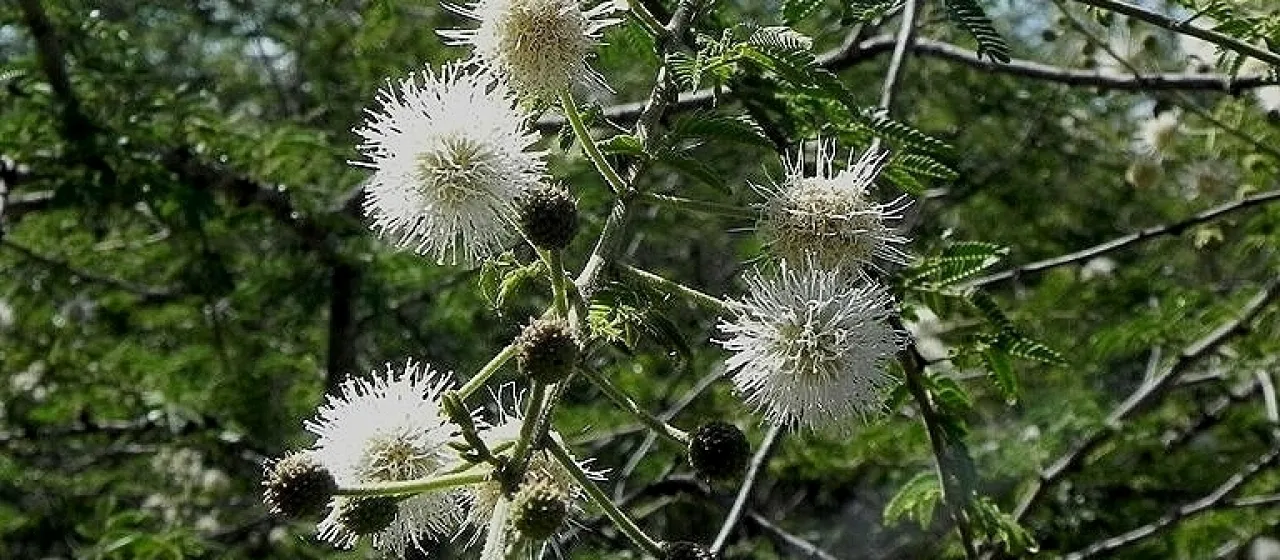
Description
Mimosa hexandra is a perennial woody plant species belonging to the Fabaceae family. Known for its resilience in challenging environmental conditions, this plant is a specialized representative of the genus Mimosa, adapted to survival in arid and semi-arid regions.
The origin of this species is primarily linked to South American landscapes, specifically tropical dry forests and savanna biomes. Its natural range demonstrates a high level of environmental plasticity, allowing it to occupy niches where water availability is periodic and soil nutrients are often limited.
Botanically, Mimosa hexandra features delicate bipinnate leaves that demonstrate sensitive movement, known as seismonasty. The plant typically presents as a shrub with structural characteristics that minimize transpiration, including small foliage and woody stems, which are beneficial for water conservation in hot climates.
Cultivation requirements for this species include full solar exposure and exceptionally well-draining soil. It thrives in soils with lower moisture retention, such as sandy or gravelly types. From an agrotechnical perspective, maintaining the correct soil pH and preventing waterlogging are the most critical factors for long-term health and growth productivity.
In practical agricultural use, the species is valued for its nitrogen-fixing capabilities, which enhance soil fertility and benefit surrounding vegetation. While not a major commercial crop, it is studied for its potential in agroforestry projects and land rehabilitation. Common pests include sap-sucking insects, and susceptibility to fungal diseases is mainly linked to improper moisture management in the root zone.
- Excellent drought tolerance once established.
- Promotes soil health through nitrogen fixation.
- Requires significant direct sunlight daily.
- Sensitive to excessive irrigation and stagnant water.