
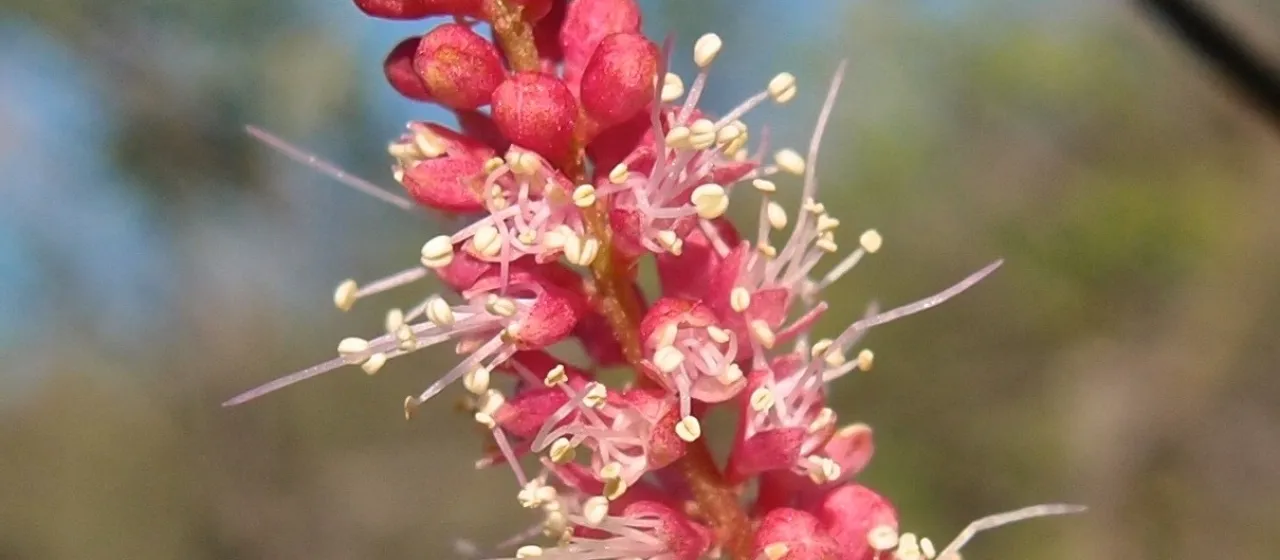
Description
Mimosa laxiflora is a perennial shrub belonging to the Fabaceae family. As a member of the legume family, this species is noted for its ability to fix nitrogen, contributing significantly to soil fertility in its native ecological zones, primarily throughout parts of Mexico and Central America.
The plant thrives in tropical and subtropical climates characterized by distinct wet and dry seasons. It is widely recognized for its adaptability to semi-arid landscapes, where it maintains growth through deep root systems capable of tapping into moisture reserves in the soil profile.
Botanically, it is defined by its bipinnate leaves and clusters of small, delicate flowers. It typically grows as a dense bush or a small tree, often armed with small thorns along the branches. These thorns serve as a deterrent to herbivores, protecting the plant during its critical early growth stages.
Agricultural success depends on planting the species in well-draining soils with adequate sunlight. It does not tolerate waterlogging, which can lead to fungal complications. Proper management involves controlling invasive weeds early on to ensure the plant establishes a strong canopy that can outcompete other local vegetation.
Economic and land-use applications for Mimosa laxiflora include:
- Soil erosion control on slopes and unstable terrain.
- Providing nitrogen enrichment for surrounding agroforestry systems.
- Use as a source of biomass for local energy needs.
- Utilization in habitat restoration projects to attract pollinators.
Common pests include seed-boring insects and leaf-eating caterpillars, which are frequent in legume-dense areas. Fungal diseases affecting the root system are the primary health concern for this crop, typically exacerbated by poor soil drainage. Maintaining a healthy balance in soil moisture is the best preventative strategy.