
Description
Mimosa monancistra is a perennial shrub belonging to the Fabaceae family, specifically classified within the Mimosoideae subfamily. As a xerophytic plant, it has developed unique biological adaptations to survive in harsh, arid environments. It is recognized for its ability to thrive where other vegetation often struggles due to water scarcity.
The native range of this species is centered in the arid regions of Mexico. It is commonly found in semi-desert landscapes, rocky slopes, and dry scrublands. Its distribution is limited to these specific ecological niches, which have shaped its physiology over thousands of years, making it a highly specialized plant in its natural habitat.
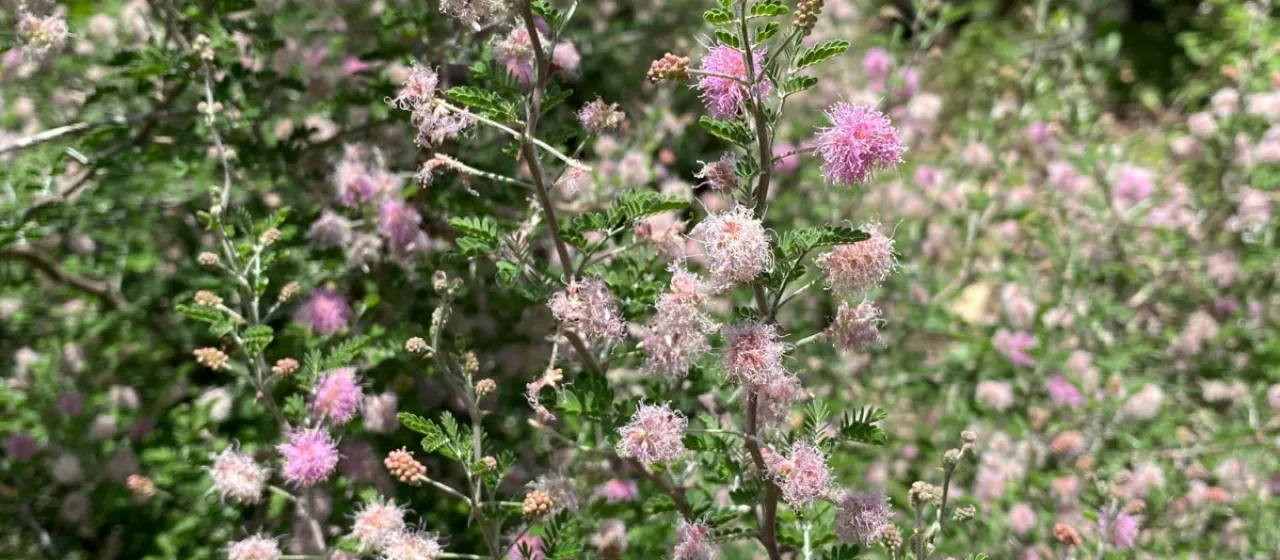
Botanically, the plant is characterized by its bipinnate leaves that exhibit thigmonasty—folding in response to touch or light changes. The stems are armed with distinct spines, serving as a defense mechanism. The flowers typically form small, spherical inflorescences that are highly specialized for pollination in their native desert environment.
Agricultural cultivation requires a climate that mimics its native environment: high heat and abundant sunlight are essential. The soil must be extremely well-draining, as the plant is highly susceptible to root rot in waterlogged conditions. Low soil fertility is typically well-tolerated, making it an undemanding species regarding nutrient application, provided that the water management is strictly regulated.
In terms of agricultural and land management use, Mimosa monancistra is primarily valued for soil stabilization and environmental restoration in arid zones. Potential pests include aphids, scale insects, and spider mites, which can affect the plant during stress. Diseases are generally limited but may include fungal infections like powdery mildew if the plant is kept in high-humidity or poorly ventilated conditions.