
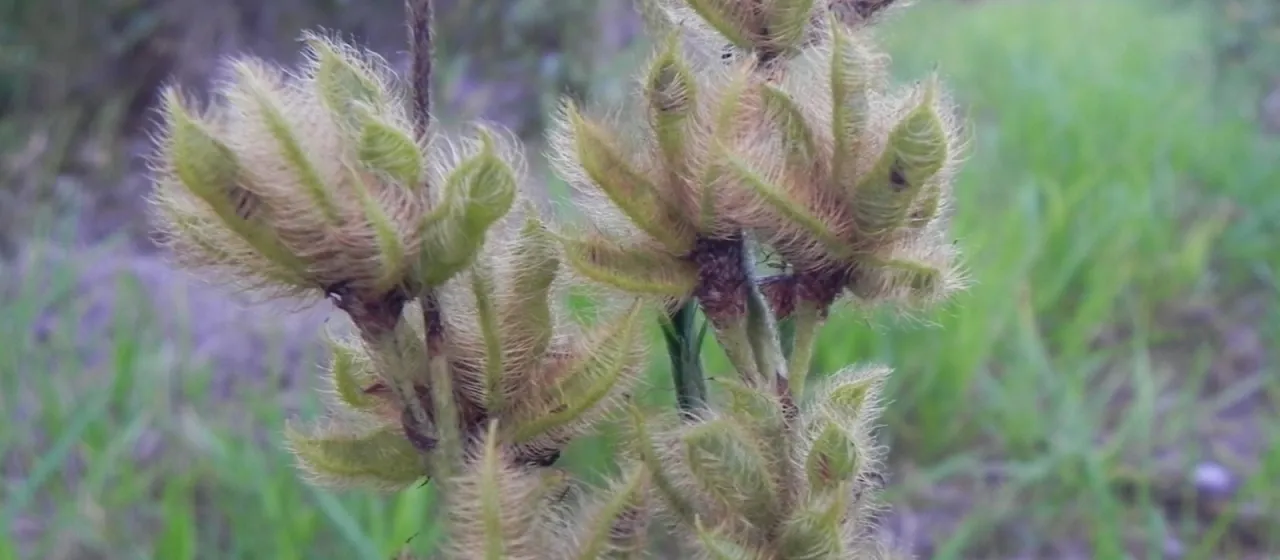
Description
Mimosa subsericea is a perennial leguminous shrub belonging to the Fabaceae family. It is increasingly recognized in agronomy for its resilience and ability to thrive in poor, acidic tropical soils where other crops often struggle to establish.
The plant originates from the South American tropical regions, particularly within the Brazilian cerrado ecosystems. Its natural distribution is a testament to its evolutionary adaptation to diverse environmental pressures, including seasonal drought and low nutrient availability.
Botanically, the species is characterized by its pinnate leaves and globular inflorescences. The root system is significantly developed, often featuring specialized nodules that house nitrogen-fixing bacteria, which allow the plant to contribute significantly to the local nitrogen cycle within the soil.
Cultivation requirements for Mimosa subsericea are centered on providing full sun exposure and well-drained soil. It is highly sensitive to waterlogging, necessitating proper land preparation in regions with heavy seasonal rainfall. Agronomic management involves monitoring plant density to optimize biomass production.
The main agricultural utility of this plant lies in its use as a fodder crop and a green manure source. Due to its robustness, it is also highly valued in sustainable farming programs aimed at land reclamation and the prevention of topsoil degradation through erosion control.
- Excellent drought tolerance capabilities.
- Significant nitrogen-fixing potential.
- High utility in land restoration projects.
- Adaptive capacity to acidic soil profiles.