
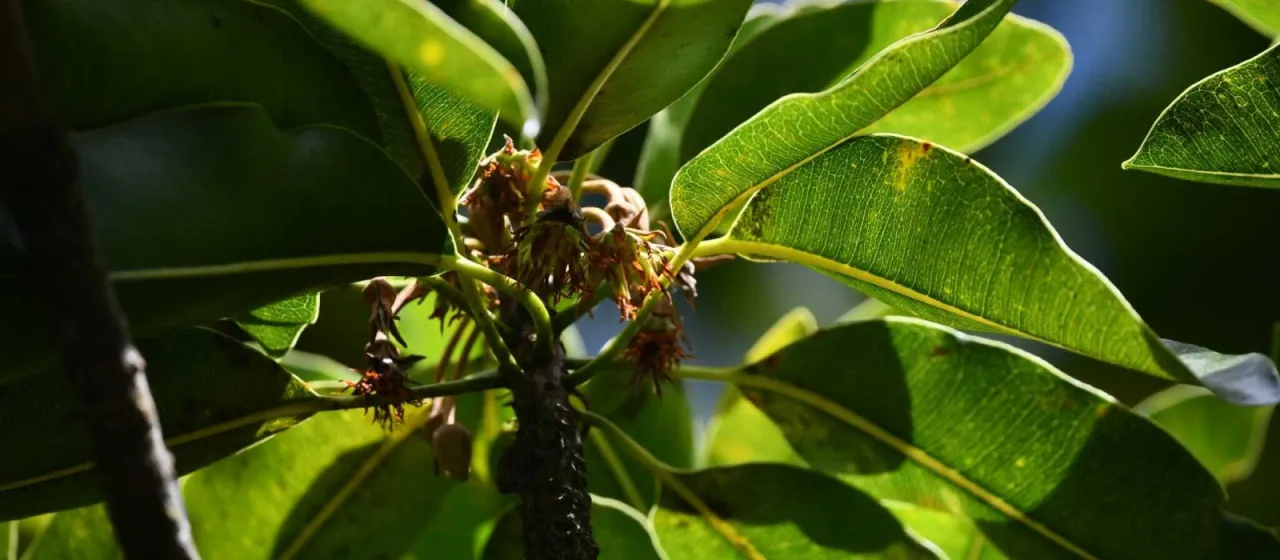
Description
Mimusops balata is an evergreen tropical tree species belonging to the Sapotaceae family. It is historically and economically significant as one of the primary sources of gutta-percha, a natural polymer similar to rubber but with different thermal properties, which has been utilized in industrial applications for centuries.
The species is native to the tropical rainforests of South America and the Caribbean. It thrives in high-humidity environments with consistent, year-round warm temperatures. In its natural habitat, Mimusops balata plays a vital ecological role, often standing as a tall canopy tree that provides shelter and food for diverse tropical biodiversity.
Botanically, the tree is characterized by thick, leathery, elliptic leaves and small, fragrant, clustered flowers. It produces fleshy berries that are considered edible and are often locally harvested. The bark is particularly notable, as it contains a milky latex that is tapped and processed to obtain the high-quality gutta-percha resin valued for its electrical insulation and molding capabilities.
For successful cultivation, the tree requires fertile, well-draining soil and a tropical climate with no frost risk. Soil acidity should ideally be slightly acidic to neutral. Agronomic management involves site preparation that ensures water runoff to prevent root rot, as the species does not tolerate waterlogging. Regular monitoring for nutrient deficiencies is necessary in juvenile stages to ensure healthy, structural growth.
The primary economic uses of Mimusops balata include the extraction of its latex for dentistry and submarine cable insulation, as well as the harvesting of its dense, heavy timber, which is highly resistant to rot and termites.
- Common pests include wood-boring beetles.
- Fungal root pathogens are the most frequent health risks.
- Regular canopy thinning is performed to improve light penetration.