
Description
Mimusops coriacea is a notable evergreen tree species belonging to the Sapotaceae family. It is recognized for its dense, leathery foliage and robust nature, which allow it to thrive in specific tropical maritime environments. This species serves as both a fruit-bearing plant and a source of quality timber.
The native distribution of this species spans the coastal regions of East Africa and nearby islands. It is primarily adapted to tropical climates characterized by high humidity and consistent warmth. Because it lacks cold tolerance, its cultivation is strictly limited to tropical or subtropical regions where temperatures remain high throughout the year.
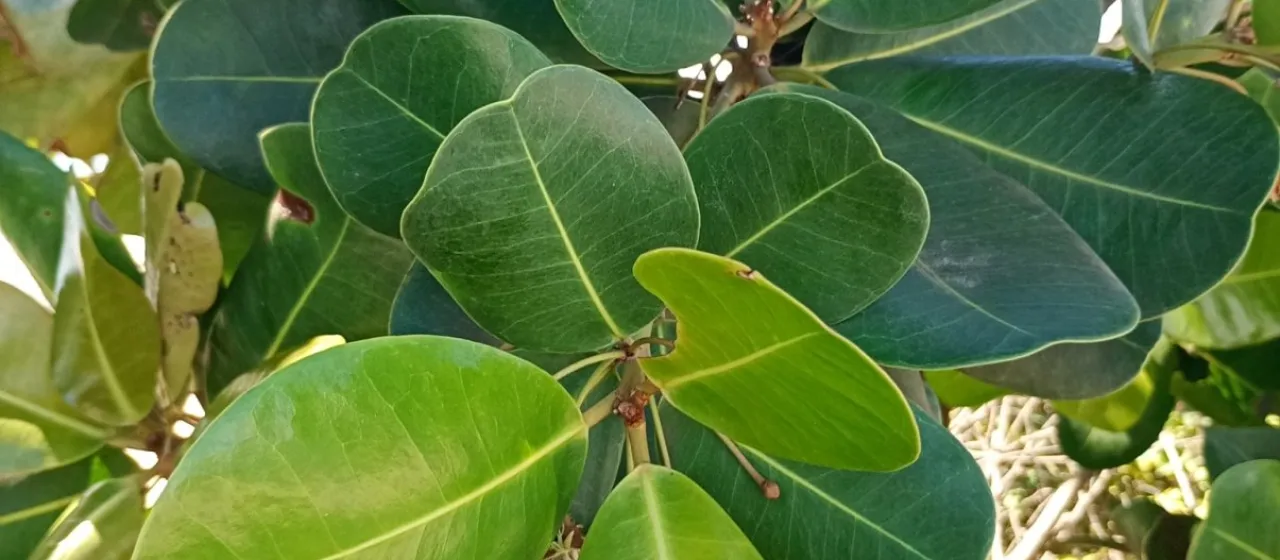
Botanically, the tree is defined by its thick, glossy leaves and small, fragrant flowers. The fruits are succulent berries that are highly regarded for their flavor profile and nutritional density. The plant's structure allows it to provide extensive shade, making it a functional component of tropical ecosystem management.
Agricultural success with Mimusops coriacea depends on selecting well-draining, fertile soils with an appropriate moisture retention capacity. The tree requires plenty of sunlight and regular irrigation during establishment. Proper pruning practices are essential to maintain tree health and ensure optimal fruit production while preventing structural weaknesses.
Economically, the tree is utilized for its edible fruits and durable wood. It is also frequently planted in parks and urban spaces for ornamental purposes, as it provides excellent shade and resists the stresses of coastal air. Effective disease management, focusing on fungal resistance in the root zone, is critical for sustained crop yield.
- Adaptation to saline coastal environments
- Nutritional value of the berries
- High-density, rot-resistant timber
- Ornamental value in landscaping
- Effective shade provision in tropical climates