
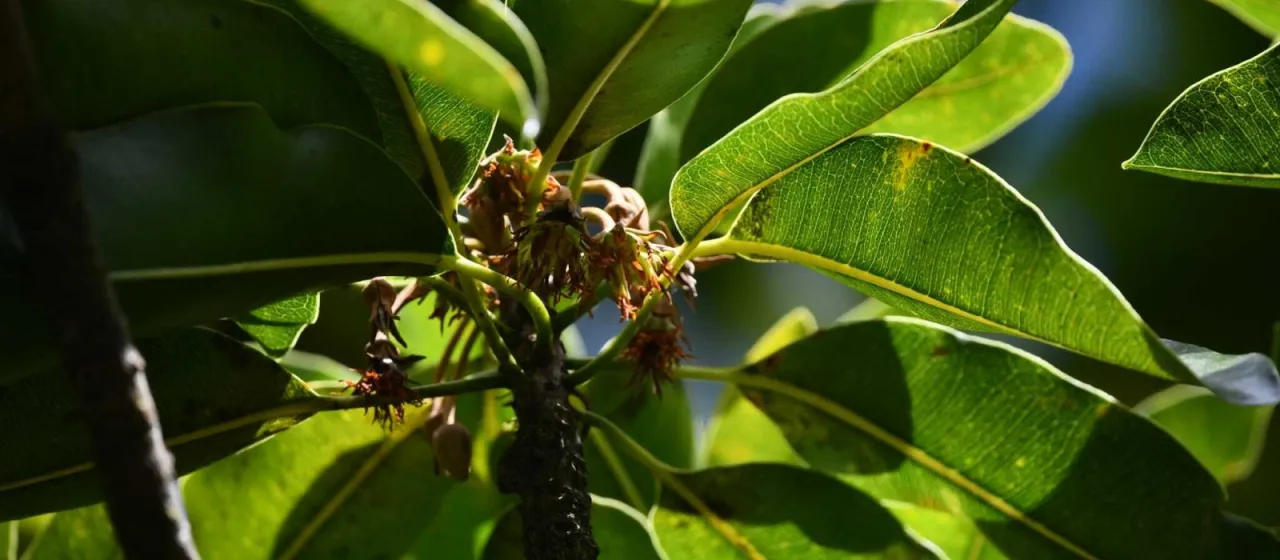
Description
Mimusops maxima is an impressive tropical tree species belonging to the Sapotaceae family. Known for its robust growth and dense, high-quality timber, it represents a significant biological resource within its native tropical habitats, characterized by a slow growth rate but exceptional structural durability.
The species primarily originates from tropical island and coastal environments, where it thrives in humid conditions with consistent annual temperatures. Its natural range is limited, making it a specialized crop that requires very specific climate parameters to reach its full development potential in plantations.
Botanically, Mimusops maxima is defined by its thick, leathery leaves and a dense canopy that provides significant shade. The tree is capable of reaching considerable heights, and its reproductive cycle involves the production of fleshy fruits, which are typical characteristics of the Sapotaceae family.
Agricultural requirements for this species include well-draining, nutrient-rich soils that support consistent root development. Successful cultivation relies heavily on maintaining high atmospheric humidity and protecting young specimens from extreme weather events, ensuring a stable environment for long-term growth.
Economically, the tree is primarily harvested for its timber, which is renowned for its hardness and resistance to decay, making it suitable for high-end carpentry and construction projects. Additionally, the species contributes to local ecosystems by providing habitats for diverse tropical fauna.
- Resilience to soil salinity in coastal areas
- High demand for premium timber markets
- Requires consistent irrigation during dry spells
- Susceptibility to specific tropical wood-boring insects