
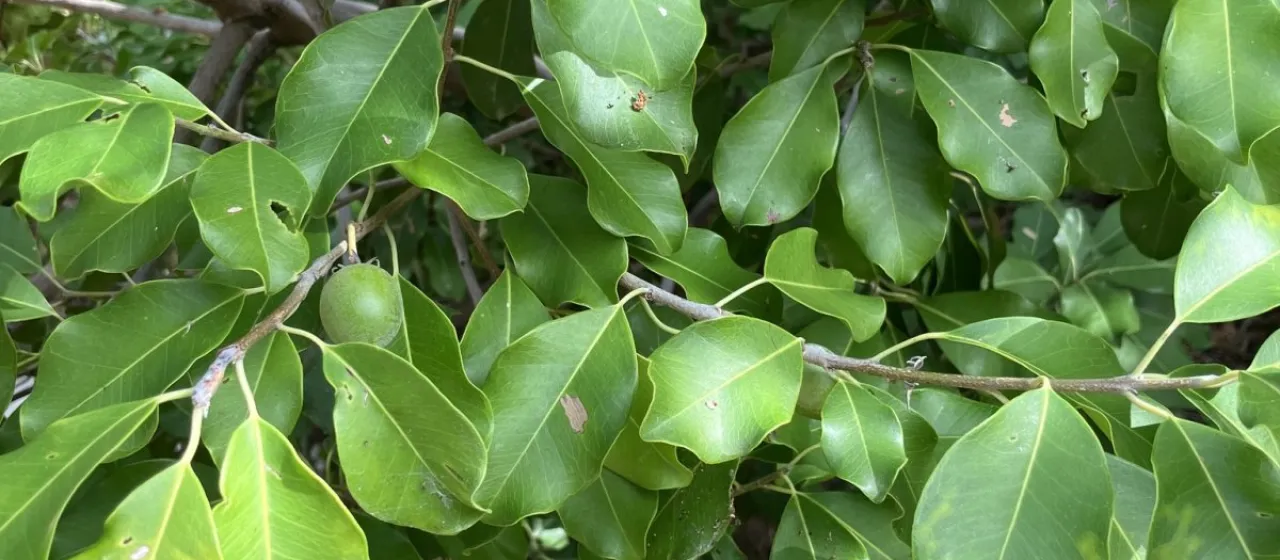
Description
Mimusops obtusifolia is a prominent evergreen tree species belonging to the Sapotaceae family. Known for its robust structure and dense foliage, this plant serves as a vital component of tropical ecosystems and represents a significant botanical interest for agricultural research in its native regions.
The origin of this species is traced back to the coastal and forest regions of Eastern Africa. It thrives in humid tropical climates and is often found in diverse habitats, ranging from low-altitude forests to specialized inland ecosystems. Its natural distribution is largely determined by rainfall patterns and the availability of nutrient-rich soils.
Botanically, the tree is characterized by its leathery, obtuse-tipped leaves and small, fragrant flowers that develop into edible drupe-like fruits. The bark is typically thick and durable, protecting the tree from environmental stressors and local biological impacts. The growth habit is typically slow to moderate, allowing for long-term development of the canopy.
For successful cultivation, Mimusops obtusifolia requires high mean temperatures and a consistent moisture supply, though it exhibits some tolerance to short dry spells. The preferred soil type is a deep, well-draining loam or sandy soil enriched with organic matter. Proper spacing is essential to ensure adequate airflow and sunlight penetration for individual trees.
The primary economic uses of the plant include wood production, as its timber is valued for its durability and resistance to pests. Additionally, the fruit is harvested for local consumption. Typical challenges for cultivators include monitoring for potential fungal infections during high-humidity seasons and protecting young saplings from browsing wildlife.