
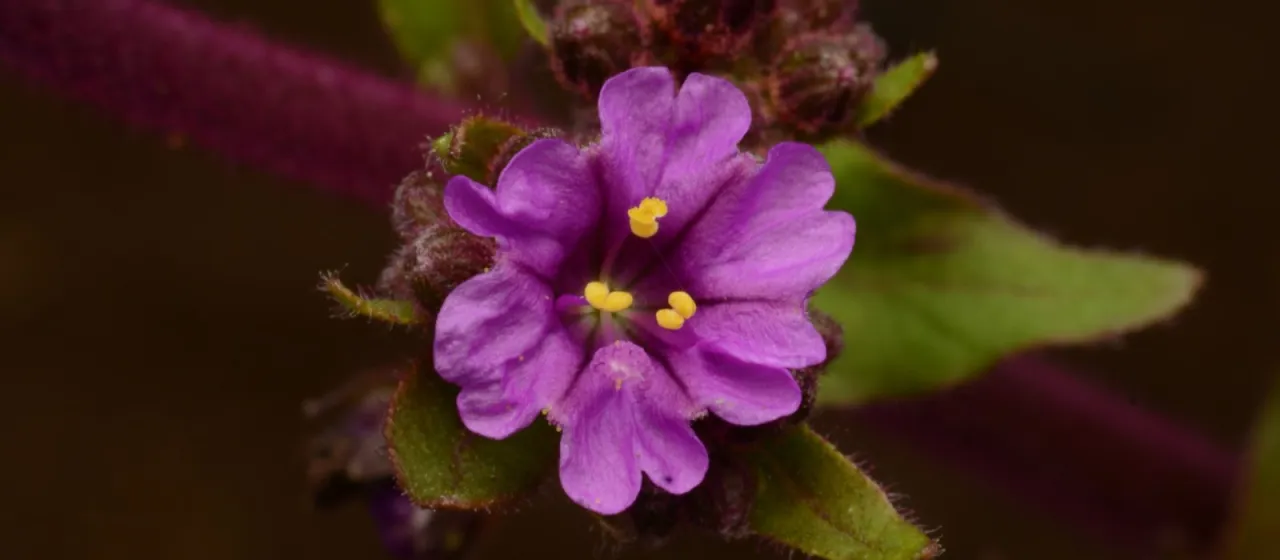
Description
Mirabilis prostrata is a specialized herbaceous perennial belonging to the Nyctaginaceae family. Unlike its more common counterparts, this species exhibits a prostrate growth habit, forming dense mats along the ground, which makes it a unique candidate for xeriscaping and specialized botanical garden displays.
Native to the high-altitude regions of the South American Andes, specifically within Peru and Bolivia, this plant has evolved to thrive in harsh environments. Its natural habitat is characterized by thin mountain air, intense solar radiation, and significant diurnal temperature fluctuations, which have shaped its physiological resilience.
Botanically, the plant is distinguished by a thick, tuberous root system that serves as a nutrient reserve. Its stems are flexible and sprawling, often rooting at the nodes if they remain in contact with moist soil. The foliage consists of lanceolate, often slightly succulent leaves designed to conserve water under stress.
In terms of agricultural requirements, Mirabilis prostrata demands exceptional soil drainage. It thrives in gritty, sandy loam soils with a neutral to slightly alkaline reaction. The plant is heliophilic, requiring long hours of direct sunlight to maintain its compact growth form; insufficient light often leads to etiolation and structural weakness of the stems.
- Sowing seeds in well-draining, warm substrates.
- Implementing deep, infrequent irrigation cycles.
- Providing adequate space for horizontal spread.
- Monitoring for common pests like aphids and spider mites.
Host-plant utility is primarily academic and ornamental, as the plant is valued for its ability to survive in arid, challenging environments. Typical phytosanitary issues include root rot caused by poor soil drainage and susceptibility to sucking insects, which can be managed through integrated pest management and careful control of soil moisture levels.