
Description
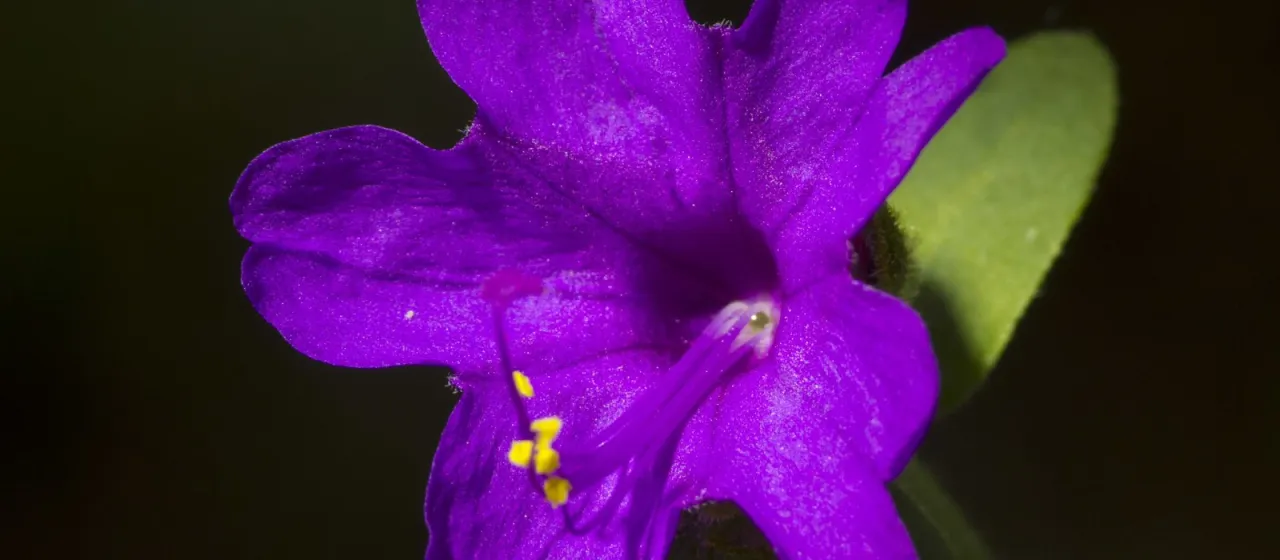
Mirabilis violacea is an intriguing flowering plant belonging to the Nyctaginaceae family. It is widely recognized for its vibrant violet blooms, which exhibit a unique nocturnal behavior, opening in the evening to release a delicate fragrance. This characteristic makes it a popular choice for gardens designed for evening enjoyment.
Originating from the tropical regions of the Americas, this species is naturally adapted to warm climates. In agricultural practice, particularly in temperate regions, it is treated as a tender perennial or a summer annual. It requires a long growing season to reach its full potential, and its tubers are sensitive to frost, requiring careful overwintering if the intention is to maintain the plant long-term.
Botanically, the plant features a robust, branched habit with opposite leaves and funnel-shaped flowers. A significant biological feature is the development of enlarged root structures, which act as storage organs, providing resilience during short dry spells. The plant is characterized by a rapid growth rate, allowing it to provide dense coverage in ornamental beds within a single season.
Successful cultivation of this species requires full sun exposure and well-draining, fertile soil. Agronomists recommend a consistent watering schedule during the peak heat of summer, coupled with moderate fertilization to support flower production. It is crucial to space the plants appropriately to ensure good air circulation, which is vital for disease prevention.
Maintenance and protection against biotic stresses involve monitoring for common issues such as powdery mildew, which thrives in high humidity and poor ventilation. Aphids may also infest young shoots during the growing season. Effective management involves using appropriate systemic insecticides and fungicides, alongside good sanitation practices to keep the planting site free of debris and diseased plant material.