
Description
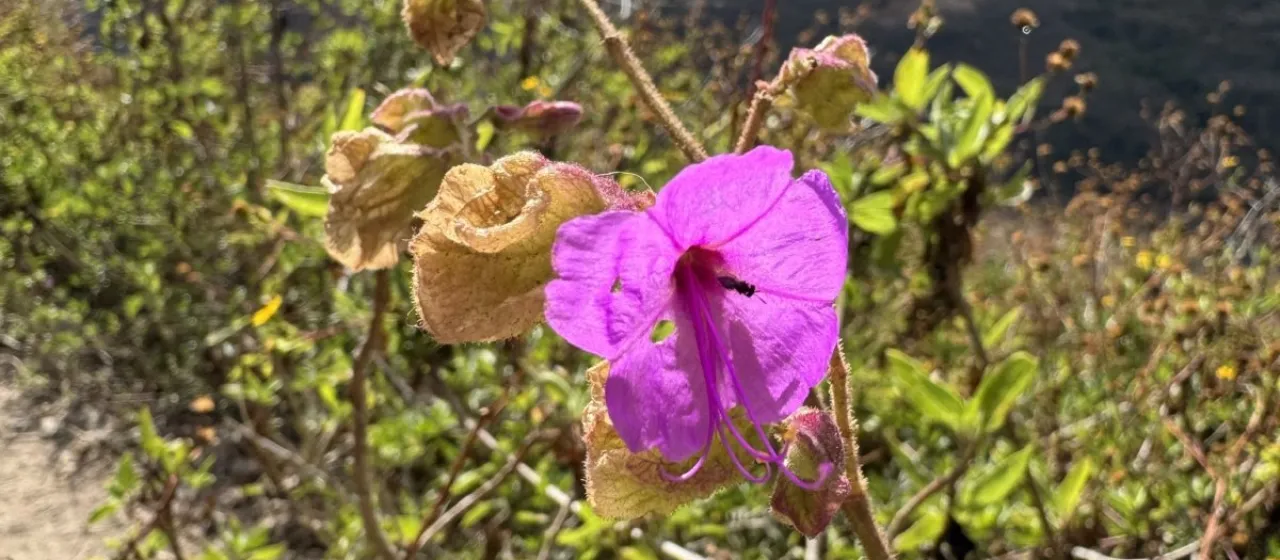
Sticky four o'clock (Mirabilis viscosa) is a perennial herbaceous plant belonging to the Nyctaginaceae family. This crop is noted for its unique morphological traits and significant evolutionary adaptations that allow it to thrive in arid and harsh environmental conditions.
The plant originates from South America, specifically the mountainous and semi-desert regions of the Andes, including areas in Peru. Its natural habitat is characterized by extreme temperature fluctuations and limited precipitation. In agricultural terms, it remains a specialized plant that is primarily studied for its resilience and unique physiological characteristics.
Botanically, the species is defined by its sticky, glandular pubescence covering the stems and leaves, which justifies the specific epithet viscosa. It possesses a robust root system capable of storing water and nutrients, which is essential for survival during prolonged dry spells. The flowers are typically funnel-shaped and exhibit a nocturnal blooming pattern, facilitating pollination by specialized insects.
Cultivation requirements involve well-draining, sandy, or rocky soils with a neutral or slightly alkaline pH. The plant thrives under intense solar radiation and requires minimal irrigation once established. Overwatering is the most significant threat to its survival, as it leads to rapid development of root rot in poorly aerated substrates. Successful propagation usually occurs through seeds or careful division of the root crown.
Agricultural and practical uses include:
- Ornamental horticulture in xeriscaping projects.
- Phytochemical research for potential medicinal applications.
- Integration into breeding programs for heat-tolerant Nyctaginaceae species.
The most common pests affecting this plant include aphids, which are often attracted by the sticky secretions on the plant surface. Diseases are primarily related to fungal pathogens caused by excessive soil moisture and poor drainage. Management strategies focus on providing optimal drainage conditions and monitoring for early signs of infestation to ensure healthy crop development.