
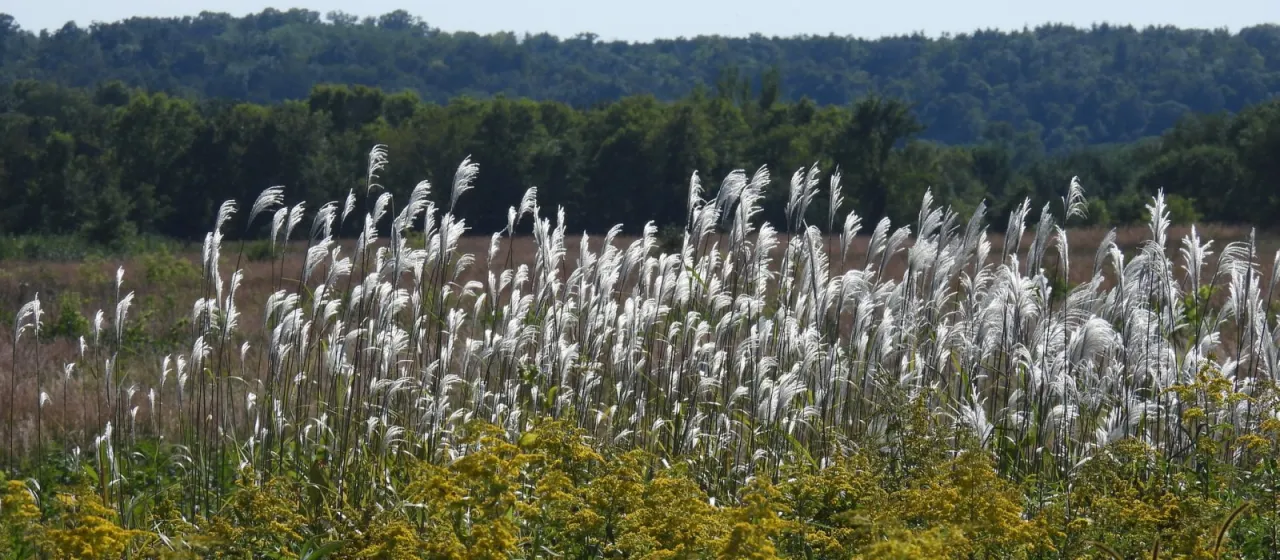
Description
Miscanthus sacchariflorus is a perennial rhizomatous grass species belonging to the Poaceae family. Recognized for its exceptional biomass production, it has become a focal point in agricultural research aimed at developing sustainable and renewable energy sources for industrial and heating applications.
Originating from East Asia, including regions of China, Japan, and the Russian Far East, this species has successfully naturalized in various temperate and subtropical climates. Its ability to tolerate winter dormancy and rapid regrowth in the spring makes it an ideal candidate for large-scale cultivation in regions where other crops might fail due to climate stress.
Botanically, the plant features tall, dense culms that can exceed 3 meters in height. The root system consists of robust rhizomes that spread laterally, ensuring soil stability and efficient nutrient uptake. Its leaves are broad and characterized by a high silica content, which acts as a natural deterrent against many common agricultural pests and diseases.
Agricultural management requires careful planning during the establishment phase, which typically involves planting rhizomes or high-quality seedlings. While the crop is adaptable to different soil types, it thrives best in deep, fertile soils with consistent moisture. Weed control is critical during the first year, as the plant focuses its energy on developing its complex subterranean root network.
The primary economic value of Miscanthus sacchariflorus lies in its biomass. It is widely processed into pellets or briquettes for energy production, offering a carbon-neutral alternative to fossil fuels. Beyond energy, it is increasingly utilized in the construction industry for bio-composites, as well as in the manufacturing of pulp and paper products due to its high cellulose content.
- High annual yield of dry matter per hectare.
- Low requirement for fertilizers compared to annual grain crops.
- High resilience against biotic stressors such as fungi and insects.
- Longevity of the stand, lasting up to 20 years without reseeding.