
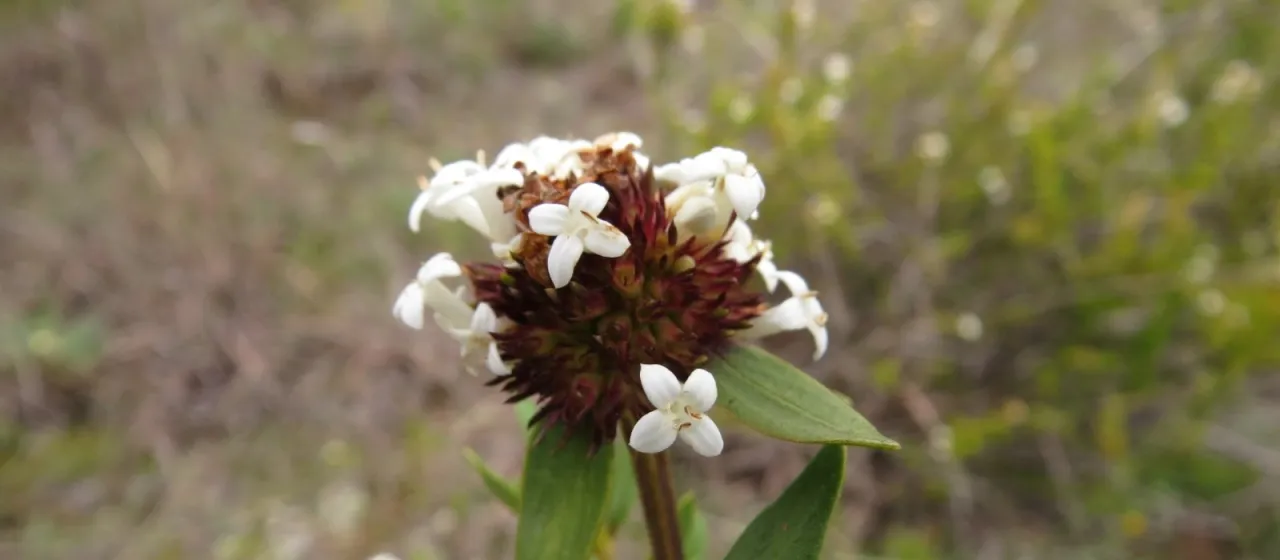
Description
Mitracarpus frigidus is a notable herbaceous plant species belonging to the family Rubiaceae. While often found in wild tropical ecosystems, it is increasingly recognized for its physiological resilience and potential for specialized agricultural and pharmacological applications, making it a subject of interest for agronomic research.
Originating from the tropical regions of Central and South America, the plant is native to environments characterized by distinct wet and dry seasons. It typically thrives in savanna-like habitats, rocky outcrops, and disturbed areas where light intensity is high and drainage is efficient. Its native distribution allows it to tolerate significant periods of environmental stress.
From a botanical standpoint, the plant is defined by its opposite, often sessile or shortly petiolate leaves and dense, globular flower clusters positioned in the leaf axils. The root system is robust and fibrous, optimized for moisture extraction in nutrient-poor, sandy soils, which is a key adaptation for survival in its endemic tropical climate.
For successful cultivation, Mitracarpus frigidus requires well-drained soil with a slightly acidic to neutral pH. Proper soil preparation is essential to prevent root rot, which is the most significant limiting factor during the rainy season. Agronomic management involves site selection with full solar exposure and careful monitoring of early growth stages to minimize weed competition.
The industrial and economic utility of the crop is largely tied to its secondary metabolites. Research indicates that the plant possesses significant antifungal and antimicrobial properties, leading to studies on its potential as a sustainable source for bio-based pesticides and pharmaceutical ingredients. Its role in traditional medicine continues to drive interest in its systematic cultivation.
- Requires high solar exposure for optimal growth.
- Sensitive to waterlogged conditions and heavy clay soils.
- Excellent drought tolerance once established.
- Requires standard disease monitoring for fungal leaf spots.