
Description
Miyamayomena savatieri is a perennial herb that belongs to the Asteraceae family. Known for its refined and delicate appearance, this plant has gained popularity among garden enthusiasts for its ability to provide late-season color, making it a valuable addition to woodland gardens and semi-shaded borders.
The plant originates from the mountainous regions of East Asia, primarily Japan. It is naturally adapted to cool, moist environments where the soil is rich in organic matter. Understanding its native habitat is crucial for successful cultivation, as the plant performs best in environments that replicate these natural conditions.
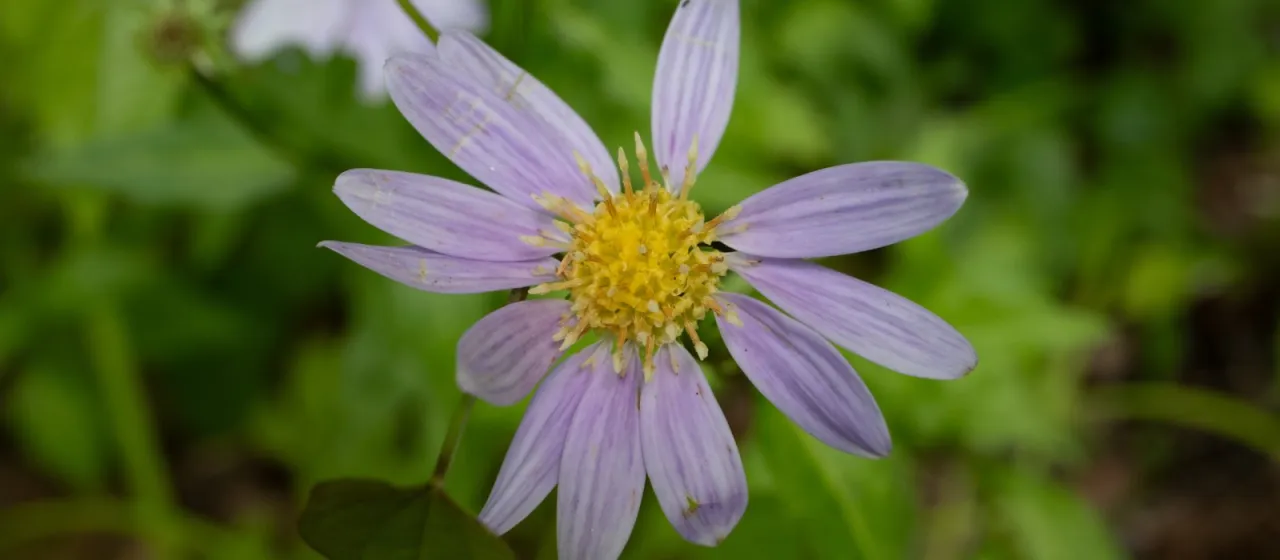
Botanically, Miyamayomena savatieri features a creeping rhizome system that allows it to form dense, low-growing mats of foliage. The leaves are typically lanceolate and slightly serrated, providing an elegant backdrop for the blue-purple daisy-like flowers. These blooms appear on sturdy stems and create a striking contrast against the dark green leaves.
Agricultural requirements include providing well-draining, moisture-retentive soil, preferably with a slightly acidic to neutral pH. It is essential to ensure the plant is protected from intense, direct sunlight, especially in warmer climates, as it prefers dappled shade. Regular mulching is recommended to maintain stable root temperature and moisture levels.
- Beautiful blue-purple flower heads.
- Ideal for woodland and rock garden settings.
- Low-maintenance perennial after establishment.
- Requires consistent moisture throughout the growing season.
In terms of usage, Miyamayomena savatieri is strictly an ornamental species used in landscape architecture. While it is relatively robust, gardeners should watch for pests such as slugs or snails, which may target the foliage in damp conditions. Furthermore, providing adequate drainage is the primary defense against potential fungal root diseases.