
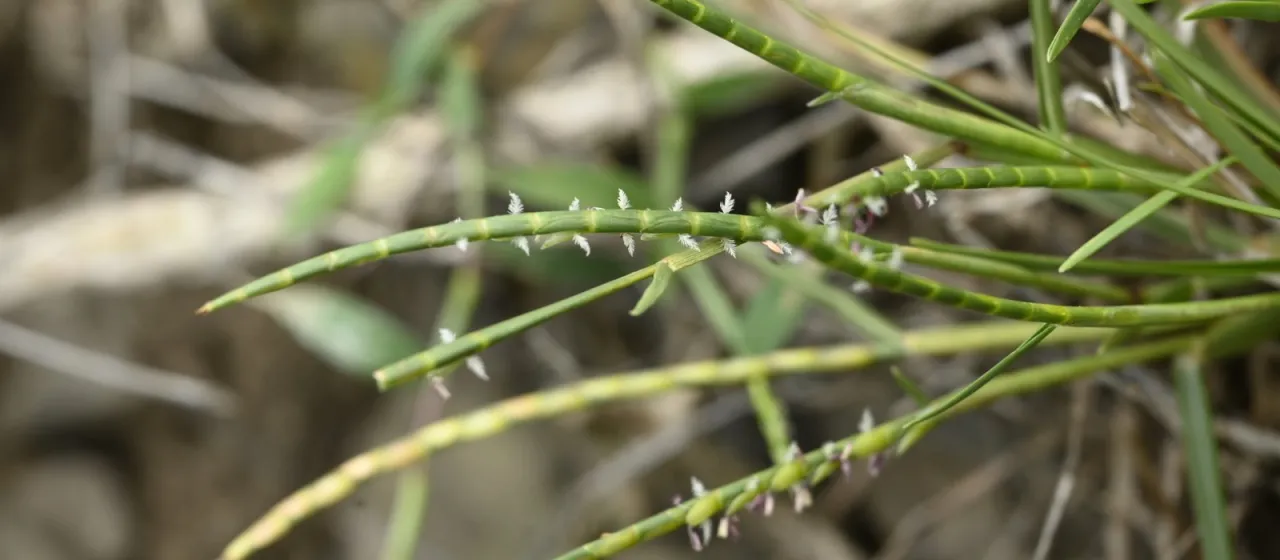
Description
Mnesithea laevis is a perennial grass species belonging to the Poaceae family. It is recognized in agricultural circles for its resilience and adaptability to specific environmental conditions, particularly in tropical and subtropical regions. This species serves as a critical component of natural grasslands and can be managed for forage production.
The plant originates from parts of Asia, where it is found in diverse habitats ranging from lowland plains to areas near riparian zones. Its natural distribution is largely influenced by its ability to thrive in seasonally wet environments and well-drained soils alike. This versatility makes it an interesting candidate for pasture restoration projects in regions prone to heavy rainfall.
Botanically, Mnesithea laevis is characterized by its tufted growth habit and slender, linear leaves. The inflorescence consists of spikes that are typical for the genus, producing small seeds that aid in natural dispersion. Its root system is fibrous and dense, which provides excellent soil stability and helps the plant survive periods of light drought once established.
Regarding agrotechnical requirements, the plant prefers well-lit environments and moderate levels of nitrogen fertilization to maximize biomass production. It is not overly demanding in terms of soil structure, although it performs best in loamy substrates. Cultivators should focus on weed management during the establishment phase, as young plants may be outcompeted by more aggressive invasive weeds before they form a dense turf.
The primary use of this crop is forage for livestock, providing a valuable source of nutrition in pasture-based systems. While generally hardy, the crop can be susceptible to common grass pathogens such as rusts and various fungal leaf spot diseases during humid seasons. Integrated pest management, focusing on proper pasture rotation and optimal cutting times, is essential for maintaining a healthy and productive stand of Mnesithea laevis.