
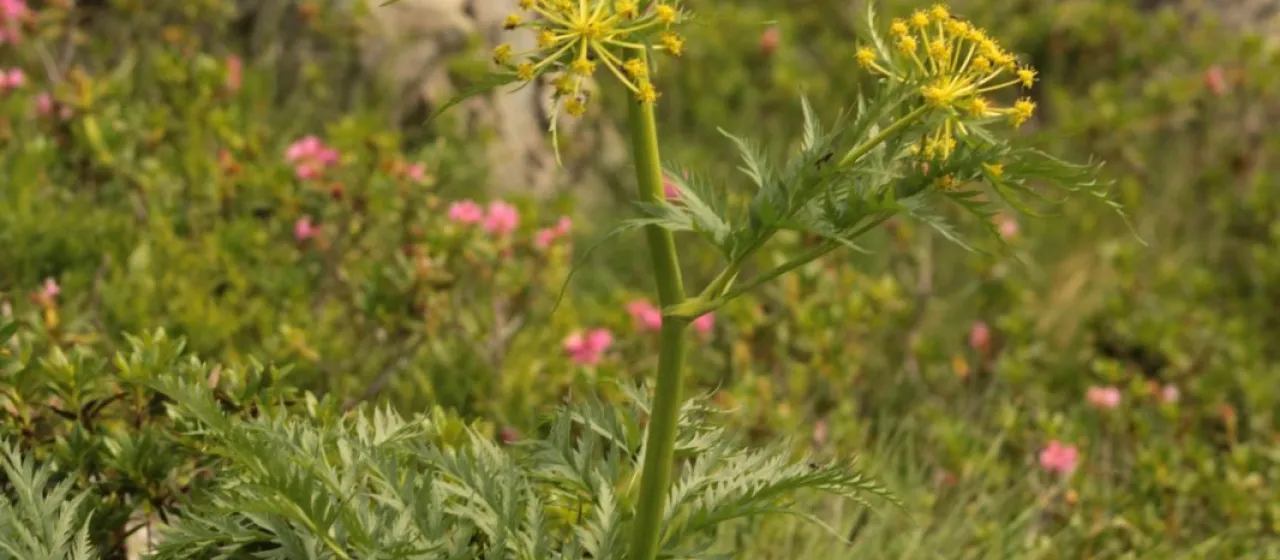
Description
Molopospermum peloponnesiacum is a perennial herbaceous plant belonging to the Apiaceae family. Representing a monotypic genus, this species is noted for its distinctive morphological features and its natural adaptation to mid-mountain and subalpine habitats. Within agricultural and botanical circles, it is considered a specialized crop that thrives in specific environmental conditions that mimic its native European mountain ranges.
The plant originates from Southern Europe, with its natural range spanning regions such as the Alps, Pyrenees, and the Balkans. In these areas, it typically inhabits limestone-rich soils, shaded slopes, and regions with consistent moisture levels. When cultivated as a crop, it requires a climate that avoids extreme heat, favoring moderate temperatures and stable humidity levels throughout the growing season.
Botanically, Molopospermum is characterized by a robust rhizome and tall, erect stems that can reach heights of 80 to 150 cm. Its foliage is highly dissected and decorative, forming a dense basal rosette before the stem elongates. The inflorescence consists of large, yellowish compound umbels, followed by the development of elongated seeds. The plant's architecture makes it a visually striking specimen, both in the field and in managed gardens.
The cultivation of this species requires well-drained, humus-rich soil with a neutral to slightly alkaline pH. Proper site preparation is crucial; ensuring a loose soil structure is vital for deep root penetration. Agronomic practices for this crop involve careful weeding during the early stages of establishment, as the plant exhibits slow initial growth. Regular monitoring of soil moisture is essential to prevent root rot in heavier substrate compositions.
In terms of agricultural and industrial use, the plant is studied for its essential oil content, which has potential applications in the pharmaceutical and cosmetic industries. While generally hardy, the crop can be susceptible to pests such as aphids or spider mites, particularly when grown under suboptimal humidity levels. Implementing sustainable integrated pest management practices is recommended to maintain plant health and improve yield quality.