
Description
Moluccella spinosa is an ornamental herbaceous plant belonging to the Lamiaceae family. Often referred to by its botanical name, it is a fascinating species valued by gardeners and floral designers for its unique architectural structure. Unlike its more common relative, Moluccella laevis, this species possesses distinct spinous characteristics that give it a robust and textured appearance, making it a standout in any garden setting.
Native to the Mediterranean region and the Middle East, the plant thrives in habitats characterized by high sun exposure and well-drained soils. Its natural range demonstrates its adaptability to warm and temperate climates. Today, it is cultivated worldwide, particularly in commercial cut-flower operations where its long-lasting, sturdy stems are in high demand for decorative arrangements.
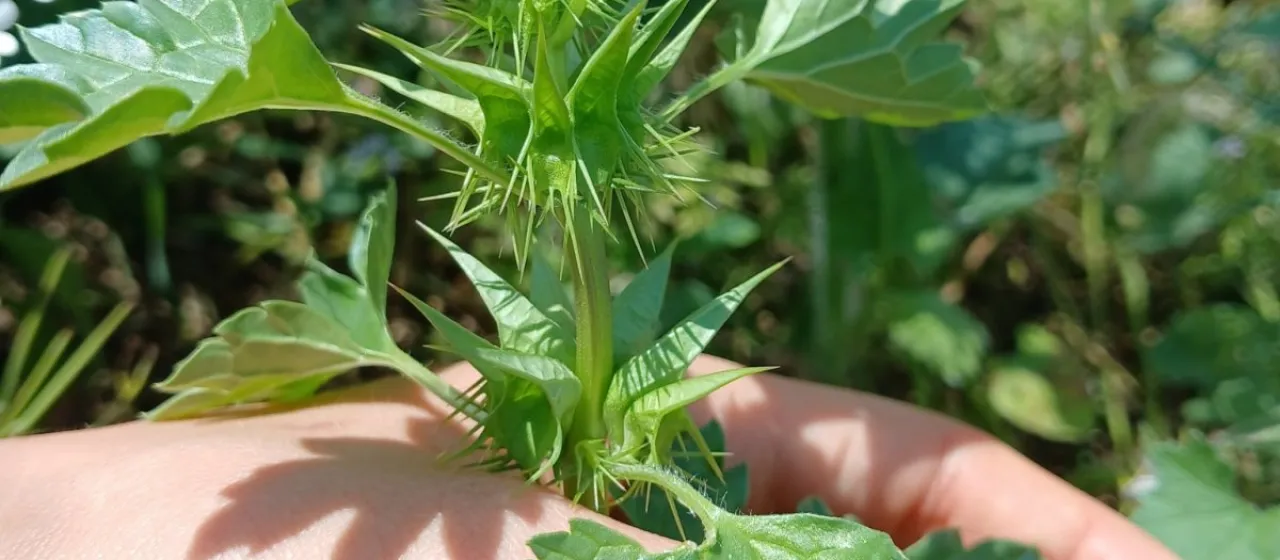
From a botanical standpoint, Moluccella spinosa is defined by its erect stems and opposite leaves with serrated margins. The true botanical highlight is the complex floral structure composed of cup-shaped, prickly calyces that enclose the small, insignificant flowers. These calyces persist long after the blooming period, maintaining their vibrant green color and structural integrity, which renders the plant an excellent candidate for dried floral arrangements.
Successful cultivation requires meticulous attention to soil and lighting conditions. The plant demands full sunlight and a soil type that prevents moisture retention, as poor drainage is a significant risk factor for root health. It performs best in nutrient-rich but loose soil. Propagation is primarily through seeds sown in spring. In terms of maintenance, regular weeding is crucial during the early growth phase, as the plant is susceptible to competition from fast-growing weeds.
In terms of agricultural and horticultural use, the plant is primarily harvested for the cut-flower market. Its ability to retain its form and color when dried makes it a premium asset for florists creating long-lasting centerpieces and structural bouquets. Furthermore, the species is relatively resistant to major pests and diseases, provided that the soil is properly drained and the planting density allows for adequate air circulation to prevent fungal pathogens from developing.