
Description
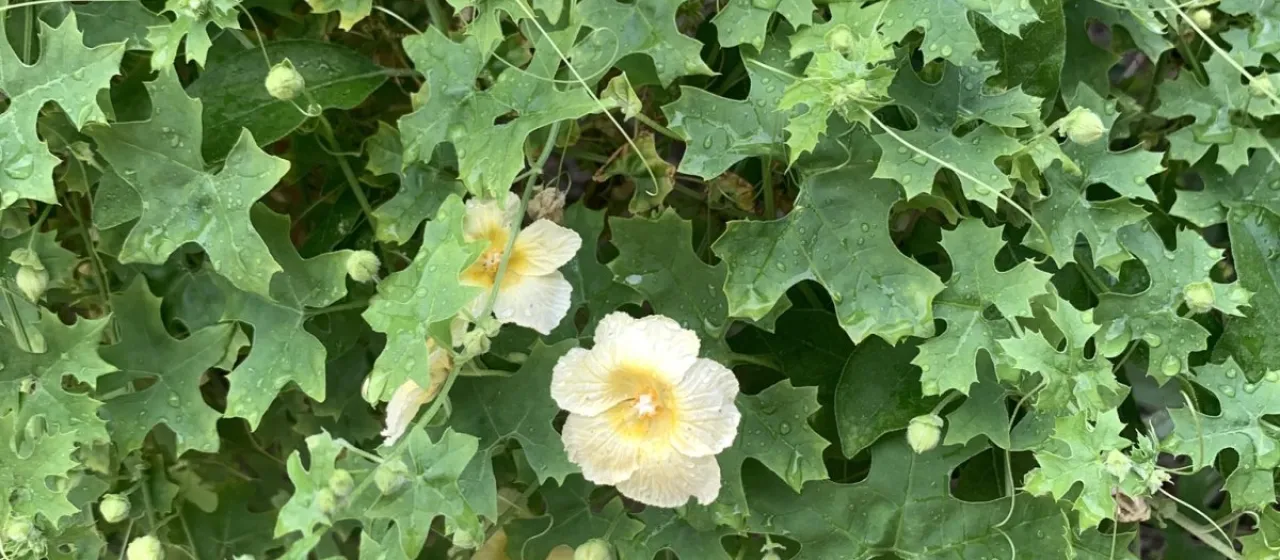
The balsam apple (Momordica balsamina) is a fast-growing annual vine belonging to the Cucurbitaceae family. It is a close relative of the bitter melon and is widely recognized for its attractive, warty, bright orange fruits that split open when ripe to expose seeds embedded in a brilliant red pulp. The plant uses tendrils to climb, making it an excellent candidate for vertical gardening and ornamental fences.
The species is native to tropical regions of Africa and has been introduced to many tropical and subtropical areas worldwide. Because of its adaptability, it has become naturalized in parts of Australia, South Asia, and the Americas. Throughout history, it has been valued both for its ornamental appearance and its traditional role in herbal medicine and local food systems in various indigenous cultures.
Cultivation of Momordica balsamina requires a warm, frost-free growing season with plenty of direct sunlight. It thrives best in well-drained, nutrient-rich soils with a slightly acidic to neutral pH. In temperate zones, it is highly recommended to start seeds indoors about 4–6 weeks before the last frost date to ensure the plant has enough time to establish itself before the peak of the summer heat.
Successful management of this crop involves several key agricultural practices:
- Installing sturdy trellises to support the vine's rapid growth;
- Providing consistent irrigation to maintain soil moisture without causing waterlogging;
- Regular fertilization using balanced nutrients to promote vigorous foliage development;
- Pruning excessive side shoots to encourage better airflow and fruit production.
In terms of usage, the balsam apple is highly regarded in folk medicine for its antimicrobial and anti-inflammatory properties, with extracts used topically for skin ailments. However, it must be handled with care, as some parts of the plant can be toxic if ingested in large quantities without proper processing. Typical pests include aphids and spider mites, while common diseases such as powdery mildew can be prevented by ensuring proper plant spacing and good circulation of air.