
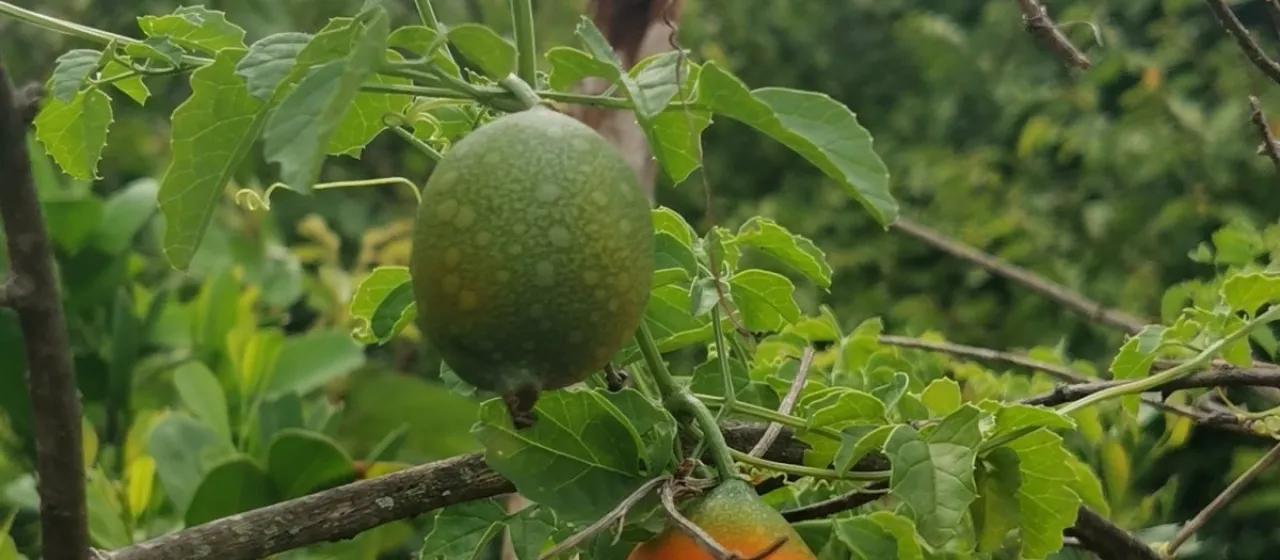
Description
Momordica cardiospermoides is a rare species of climbing vine belonging to the Cucurbitaceae family. This plant is taxonomically distinct due to its specific leaf structure and fruit morphology, which differentiate it from the more common members of the genus such as Momordica charantia. It serves as an interesting subject for both botanical research and niche horticultural practices.
The native distribution of this species is centered in tropical regions of Africa. It thrives in habitats characterized by warm temperatures and seasonal rainfall, often found climbing over shrubs and other vegetation in sunny, open areas. Due to its tropical origins, the plant has evolved to be highly efficient at rapid biomass production during periods of high light intensity and warmth.
Botanically, the plant is characterized by its vining growth habit, supported by specialized tendrils. The leaves show a distinct shape, contributing to its scientific name, while the flowers are typically yellow, common to the genus. The fruits are structurally complex, often showcasing the characteristic warty or textured skin that acts as a mechanism for seed protection and dispersal in its natural habitat.
Agricultural requirements for Momordica cardiospermoides include well-draining, nutrient-rich soil and a significant amount of vertical space for growth. In controlled environments, growers must provide sturdy trellises or supports. The plant is extremely frost-sensitive, necessitating greenhouse cultivation in temperate climates to ensure the necessary heat accumulation for flowering and subsequent fruit set.
Regarding its хозяйственное use, the plant is valued for its potential medicinal properties and its aesthetic appeal in botanical gardens. Like many species in the gourd family, it is susceptible to pests such as spider mites and aphids, as well as common fungal pathogens like powdery mildew. Effective management involves maintaining proper airflow and avoiding overwatering, especially in cooler, humid conditions.
- Requires high levels of sunlight for optimal flowering.
- Propagation is typically achieved through seeds in warm substrates.
- Regular pruning helps manage vegetative growth in confined spaces.
- Highly sensitive to root rot caused by poor soil drainage.