
Description
Momordica rostrata is a perennial species belonging to the Cucurbitaceae family. It is distinct from its culinary cousins because it is primarily grown as a caudiciform succulent. Its most notable feature is the thickened, woody base of the stem, known as a caudex, which acts as a water reservoir in harsh environmental conditions.
The plant is native to the arid regions of East Africa, specifically Kenya and Somalia. In its natural habitat, it thrives in rocky soils and dry climates. Because of these origins, it has developed specific physiological adaptations that make it sensitive to the environmental conditions found in temperate agricultural zones, necessitating greenhouse or indoor cultivation.
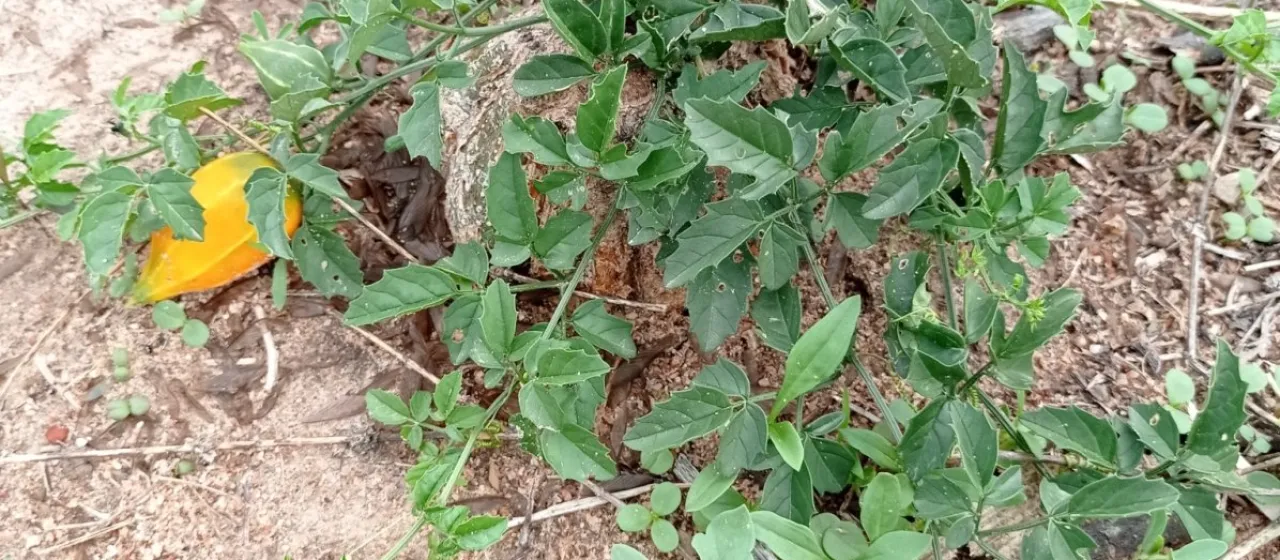
Botanically, it is a climber with thin, delicate vines emerging from the bulbous base. The leaves are typically palmately lobed, while the small, beak-like fruits give the plant its scientific name. These fruits are generally not consumed and serve mainly to produce seeds for propagation within the species.
Cultivation requirements mirror those of other caudex succulents. Growers should use a very porous, fast-draining substrate mix consisting of grit, pumice, and minimal organic matter. Proper light exposure is essential for maintaining the compact, healthy growth of the vine. During the winter dormancy period, the plant must be kept dry to prevent rot, which is the most common cause of failure in cultivation.
The primary use of Momordica rostrata is ornamental, particularly among succulent collectors. Potential threats include root rot due to overwatering and pests such as spider mites or mealybugs, which thrive in indoor environments. Regular inspection and balanced watering are the keys to maintaining a healthy specimen over many years.