
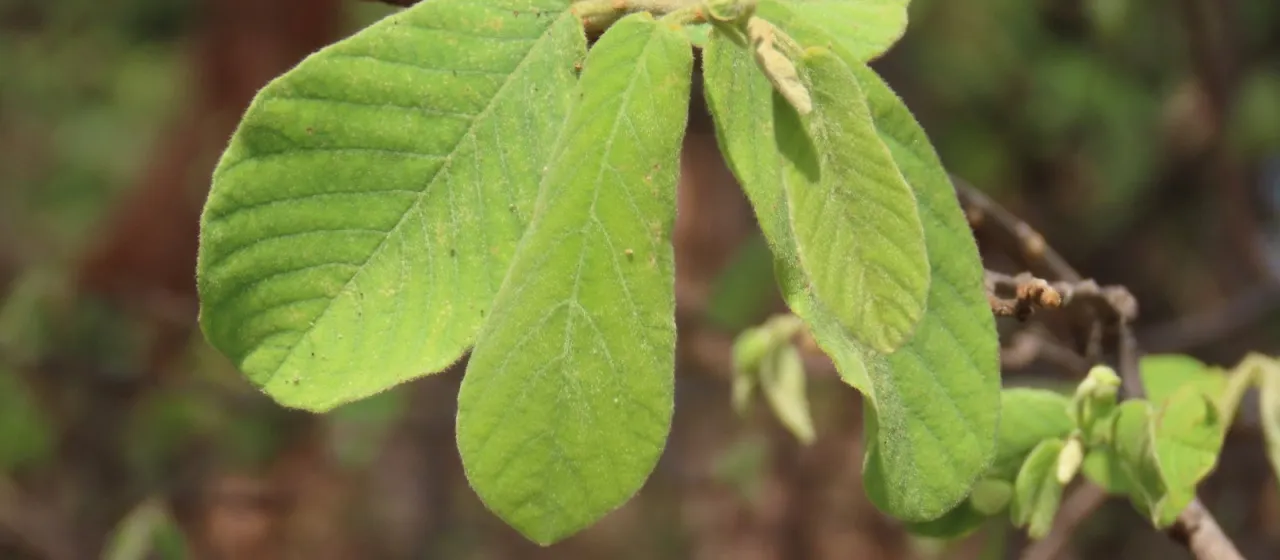
Description
Monanthotaxis obovata is a perennial woody plant species belonging to the Annonaceae family. This plant commonly exhibits a climbing habit, functioning as a woody liana or a scandent shrub that plays a significant role in the biodiversity of tropical habitats across the African continent.
The native range of the species is primarily concentrated in tropical forests and woodland areas where high humidity and temperature consistency support its growth cycle. The plant thrives in the understory or at the margins of forests, where it can access sufficient light while maintaining the moisture levels required for its physiological processes.
Botanically, the plant is characterized by its distinctively obovate (egg-shaped, with the narrow end at the base) leaves. The reproductive structures consist of small, fragrant flowers that typically attract beetles and other specialized pollinators, leading to the development of aggregate fruits composed of several small, fleshy carpels.
Agronomic requirements for cultivating this species focus on providing well-drained, nutrient-rich soils that mirror its natural forest floor environment. Cultivators should emphasize maintaining consistent soil moisture and providing partial shade, especially during the early stages of establishment, to prevent thermal stress and desiccation of the delicate foliage.
In terms of economic use, the plant is valued for its edible fruits, which serve as a localized food source for indigenous populations. Furthermore, the species is recognized for its potential in agroforestry systems, contributing to soil stability and providing secondary forest products such as medicinal extracts derived from the bark and leaves.