
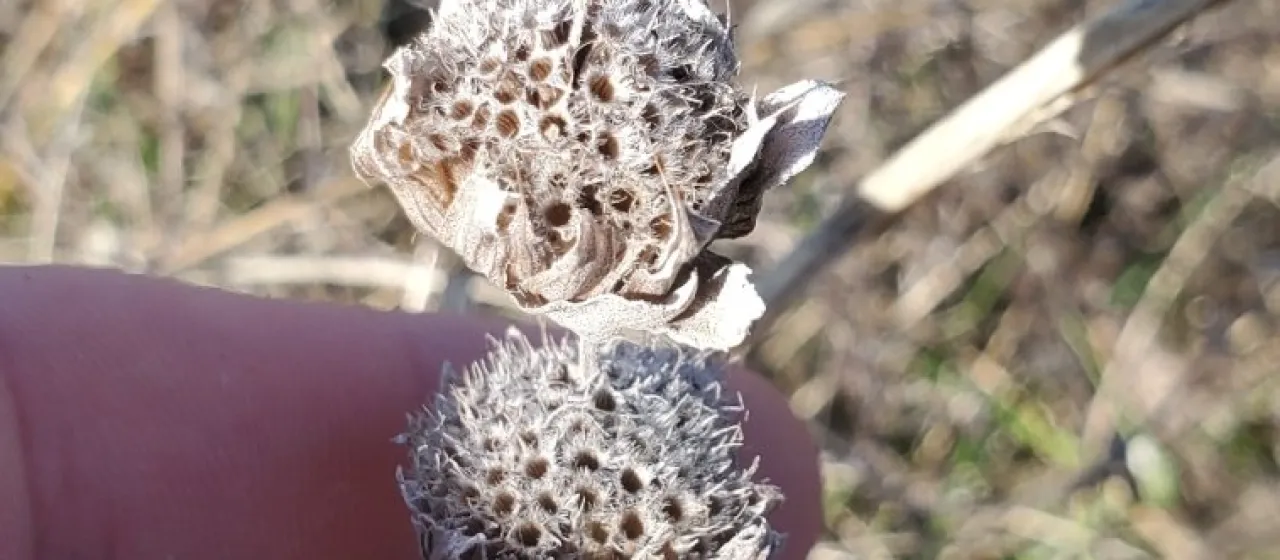
Description
Lemon beebalm (Monarda citriodora) is an annual aromatic herb belonging to the Lamiaceae family. It is widely recognized for its strong, citrus-like fragrance, which is derived from the high concentrations of essential oils, particularly citral and thymol, found throughout the aerial parts of the plant.
Native to the central and southern parts of North America, this species naturally thrives in prairies and open grasslands. Its cultivation has expanded globally, particularly in regions with temperate climates, where it serves as a specialized crop for the production of essential oils used in various industries, including food flavoring and perfumery.
The plant exhibits an upright growth habit, reaching heights of 30 to 90 centimeters. It features lanceolate leaves and distinctive terminal, whorled inflorescences that transition from light lavender to deep purple. This unique morphology makes the plant both a productive agricultural commodity and an attractive choice for pollinators.
Agronomically, lemon beebalm requires well-drained, fertile soil and full sun exposure to thrive. While it is noted for its tolerance to dry conditions, optimal yield requires consistent moisture during the early vegetative stages. It is essential to ensure adequate plant spacing to facilitate airflow, which is critical for reducing humidity-related issues.
Commercial applications are diverse and include:
- Extraction of essential oil for antiseptic and aromatic uses.
- Utilization as an herbal tea ingredient or culinary spice.
- Source of raw material for pharmacological compounds.
- Use in apiculture to support honey bee populations.
Management of the crop involves monitoring for common pests such as aphids and spider mites, which can proliferate during hot, dry spells. Disease management focuses primarily on preventing powdery mildew, which can occur if canopy ventilation is insufficient or if irrigation methods lead to chronic leaf wetness.