
Description
Spotted bee balm (lat. Monarda punctata) is a perennial herbaceous plant belonging to the Lamiaceae family. It is highly valued in horticulture and agriculture for its unique appearance, chemical composition rich in essential oils, and its vital role as a plant that attracts pollinators and beneficial insects.
Originating from North America, this species is naturally found in sandy soils and open meadows. It has been successfully adapted for cultivation in various temperate zones, where it is grown as both an ornamental crop and a source of raw materials for the pharmaceutical and fragrance industries.
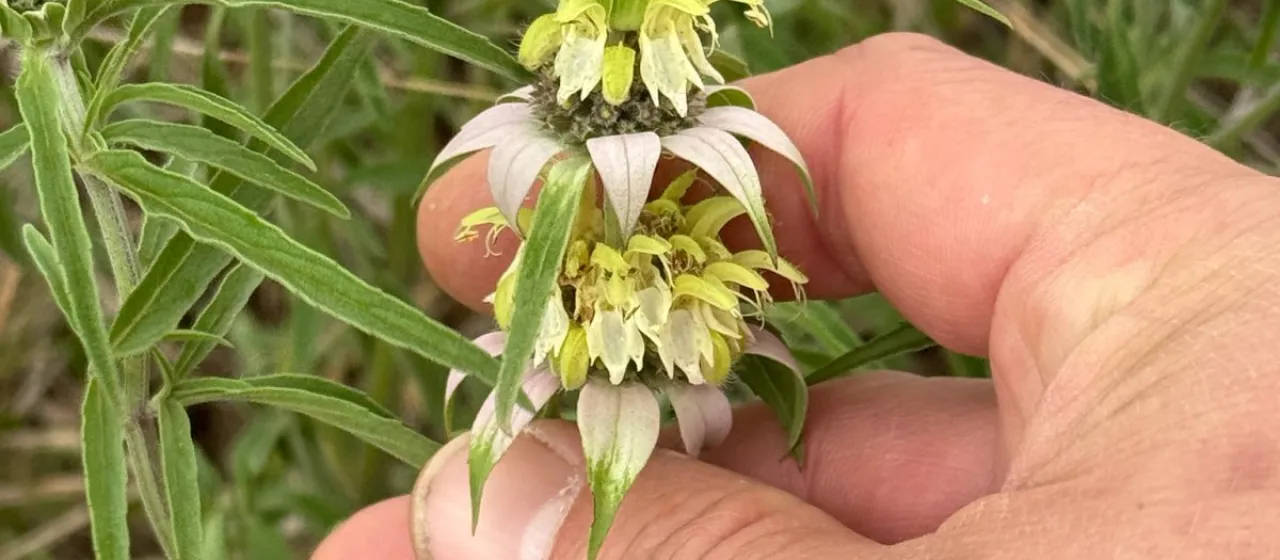
Botanically, the plant grows up to 90 cm tall with lanceolate, aromatic leaves. Its most distinctive feature is the series of colorful, spotted bracts that surround the flower clusters, creating a striking visual contrast. The root system is sturdy and helps the plant thrive in nutrient-poor environments, showcasing its adaptability.
Regarding cultivation requirements, spotted bee balm thrives in well-drained, sandy, or rocky soils with full sun exposure. It is notably drought-tolerant once established but requires good aeration to prevent moisture-related root issues. Over-fertilization should be avoided, as it can reduce the concentration of essential oils in the foliage.
The agricultural and commercial applications of Monarda punctata are diverse:
- Extraction of essential oils for medical and industrial use.
- Pollinator support for honey bee populations.
- Utilization in herbal medicine for its antiseptic and antimicrobial properties.
- Landscape restoration and xeriscaping projects.
Like many plants in the mint family, it is susceptible to powdery mildew, particularly when airflow is restricted or humidity levels fluctuate significantly. Pests such as aphids or spider mites can occasionally affect the plant during hot, dry seasons, necessitating careful monitoring and integrated pest management strategies to maintain plant vigor.