
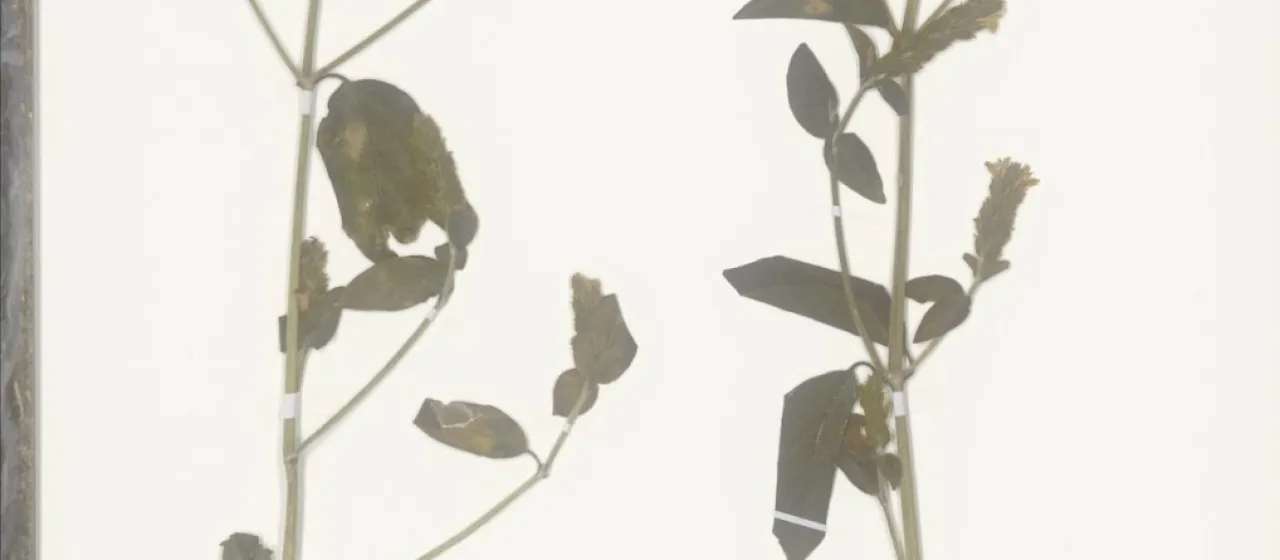
Description
Monechma debile is a herbaceous plant species belonging to the Acanthaceae family. Within the context of agronomy, it is recognized as a drought-tolerant species that exhibits unique biological traits suited for survival in arid and semi-arid environments, particularly within the African continent.
The origin and natural range of this plant are primarily centered in the tropical and sub-tropical regions of Africa. It thrives in savannas and degraded rangelands, where it acts as a resilient component of the native vegetation. The species has adapted to survive in regions with highly unpredictable rainfall patterns, showing a remarkable capacity for drought escape and tolerance.
Botanically, the species is characterized by its slender stems and simple, opposite leaves that are often adapted to minimize water loss. The flowers are typically small and arranged in spikes, typical for members of the Acanthaceae family. Its root system is relatively deep, enabling the plant to access moisture from lower soil horizons when the upper layers become desiccated.
Regarding cultivation, Monechma debile requires well-drained soils and high solar exposure. It is sensitive to waterlogging, which often leads to root fungal infections. Agronomic practices focus on maintaining soil aeration and managing competition with faster-growing weeds, especially during the establishment phase, as the plant grows slowly in its early stages.
The primary agricultural use of the plant is as a browse species for livestock in arid regions. Beyond its value as fodder, it has been noted for its traditional medicinal uses, though this requires further pharmacological validation. Typical threats include leaf-eating beetles and occasional aphid infestations, which can compromise both the forage yield and the reproductive health of the plant population.