
Description
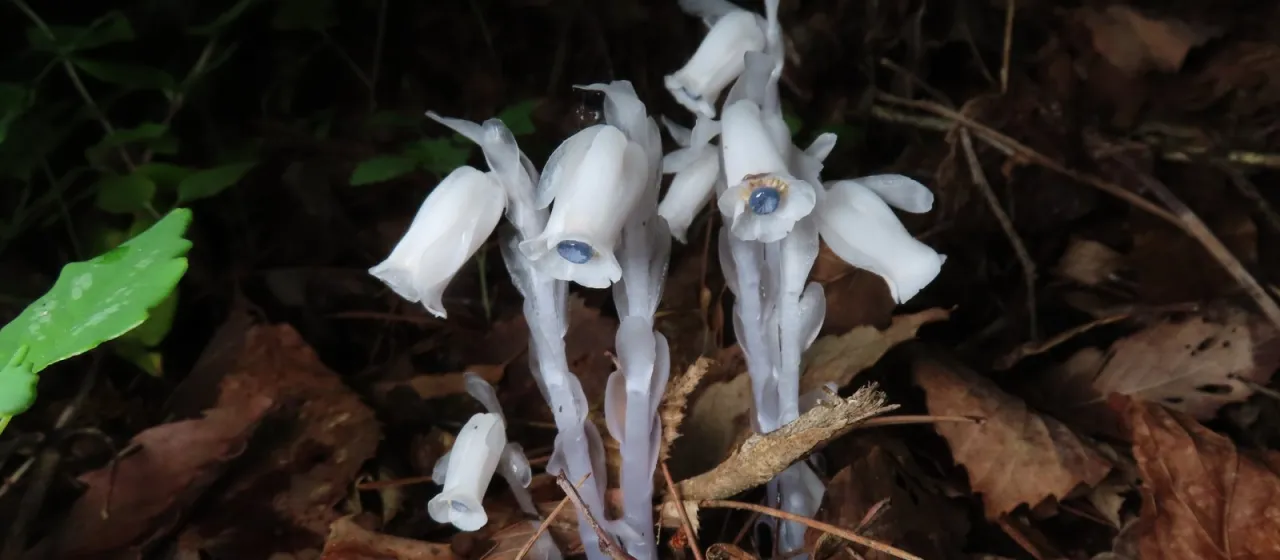
Monotropastrum humile is a fascinating species belonging to the Ericaceae family. Unlike conventional crops, this plant is a mycoheterotroph, meaning it lacks chlorophyll and cannot perform photosynthesis. Instead, it gains all necessary nutrients by parasitizing specialized fungi that are themselves connected to tree root systems.
The native range of this plant includes the temperate and subtropical forests of East Asia, spanning from Japan to the Himalayas. It thrives in shaded, moist environments where the forest floor is covered with thick leaf litter. It requires a specific micro-environment where the fungal network remains undisturbed and active throughout the year.
The plant features a short, fleshy stem covered with scale-like leaves and a distinct drooping flower that gives it its specific name. It grows as a perennial, emerging from the soil in clusters. Its total lack of green pigment is a result of its evolutionary adaptation to low-light conditions on the forest floor, where traditional sun-based energy collection is impossible.
Agricultural techniques are currently non-existent for this species, as it is impossible to cultivate under standard farming conditions. It cannot be grown in greenhouses or fields because its survival is entirely contingent upon a complex symbiosis with host fungi. Any attempt to transplant or move the plant typically results in its rapid decline and death.
In terms of хозяйственное usage, Monotropastrum humile has no commercial value in agriculture, food, or industry. However, it is highly valued by botanists and ecologists as a biological indicator of old-growth forest health. The primary threats to the species are habitat loss and deforestation, which directly destroy the delicate underground fungal systems upon which it depends.