
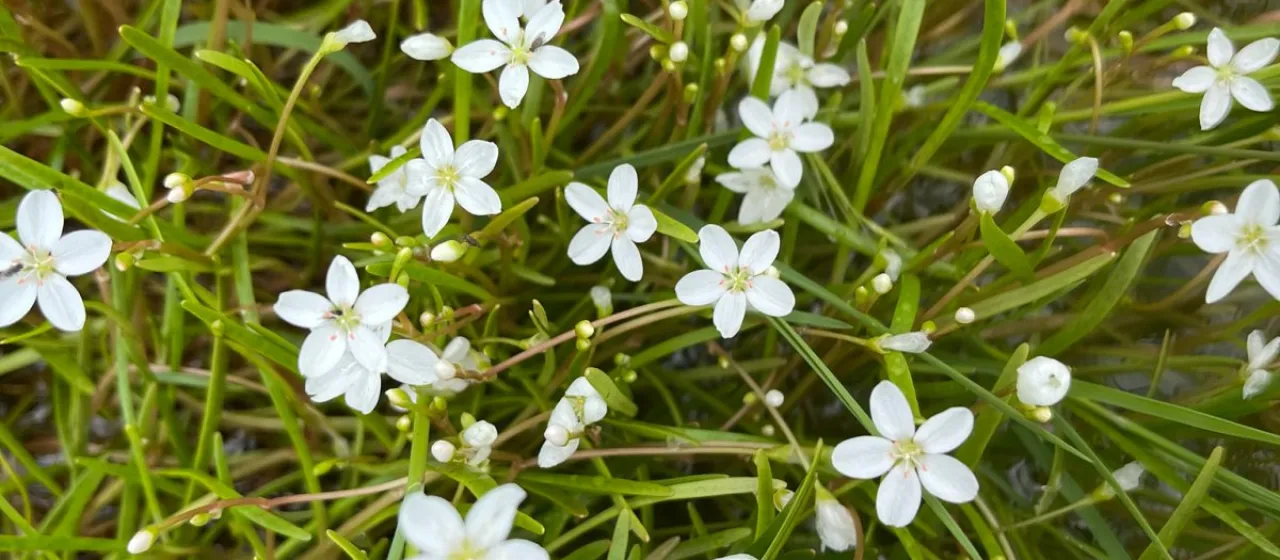
Description
Montia australasica is a perennial herbaceous plant belonging to the Montiaceae family. Often recognized in contemporary taxonomy under the genus Neopaxia, this plant is known for its succulent, ground-hugging growth habit. It is considered a specialty crop, valued for its ability to thrive in cool, moist environments where traditional leafy greens might struggle.
The native range of this species encompasses various parts of Australia and New Zealand. It typically inhabits damp, marshy areas, stream banks, and sub-alpine meadows. Because of its specific ecological niche, cultivation outside of these regions requires careful mimicry of its natural habitat, making it a unique focus for high-end vegetable growers and experimental gardeners.
Botanically, the plant features fleshy, linear foliage arranged in rosettes. Its succulent nature allows it to store water effectively, while its low profile provides protection against harsh wind. The root system is delicate and fibrous, necessitating careful handling during transplantation and cultivation to ensure the health of the plant.
Agricultural requirements focus on maintaining high soil moisture levels and cool ambient temperatures. The plant does not tolerate heatwaves or drought conditions; therefore, shading and consistent irrigation are essential. Soils should be rich in organic matter, slightly acidic, and well-structured to prevent compaction and allow for proper root development.
In terms of хозяйственного usage, the leaves are harvested for fresh consumption. As with many moisture-loving greens, the crop is susceptible to specific challenges:
- slug and snail infestation due to the succulent foliage;
- fungal root pathogens caused by poor drainage;
- bacterial leaf spots if humidity remains stagnant for extended periods.