
Description
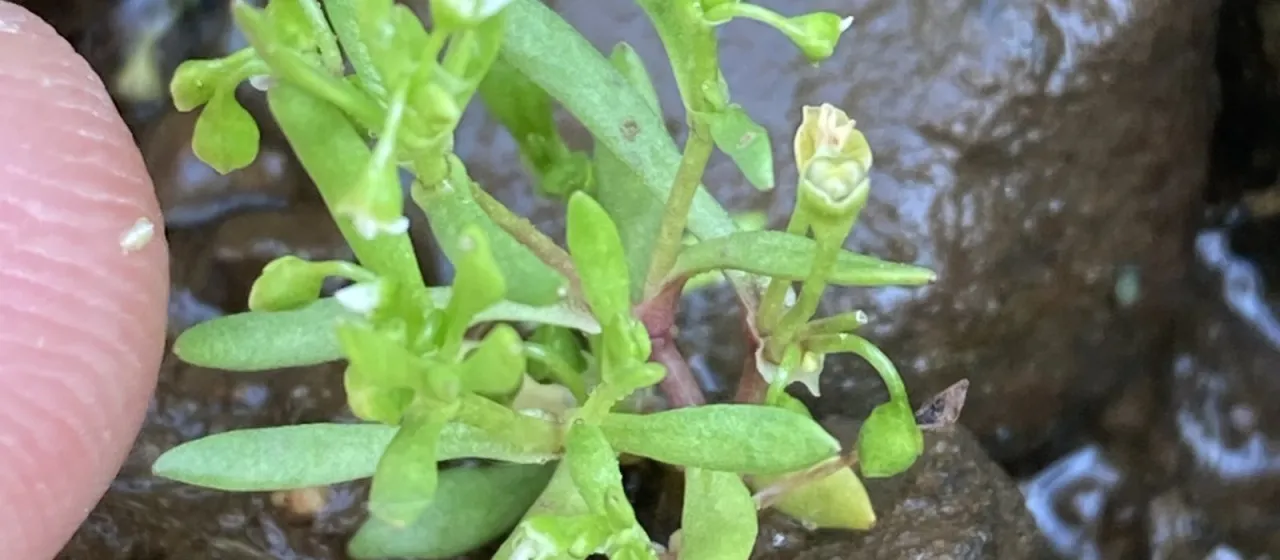
Blinks (Montia fontana), commonly known in scientific terms by its Latin name, belongs to the Montiaceae family. It is a small, succulent plant often categorized as a niche salad green. Despite its status as a wild plant in many regions, it is cultivated for its tender, crisp leaves, which provide a mild, slightly nutty flavor perfect for early spring or autumn salads.
The native range of Montia fontana covers temperate regions globally, particularly across Europe and North America. It thrives in damp, cool environments such as stream banks, springs, and saturated meadows. For agricultural purposes, growers must replicate these ecological conditions, choosing locations that stay consistently cool and moist throughout the growing cycle.
Botanically, the plant grows in mats, featuring fleshy, opposite leaves and small white flowers. Its root system is quite shallow, making it dependent on regular precipitation or irrigation. The plant is remarkably hardy, capable of surviving light frosts, which allows farmers to extend the harvest season well beyond the limits of more sensitive leafy greens.
Agronomic management focuses heavily on irrigation. Since the plant naturally grows in aquatic or semi-aquatic zones, soil should be rich in organic matter and maintain a high water-holding capacity. Excessive heat is the primary challenge; therefore, growing it in partial shade or using greenhouses with cooling systems during warmer months is highly recommended. Adequate spacing is also crucial to ensure airflow and reduce fungal risks.
- Strict requirements for constant soil moisture levels.
- Preference for cool temperatures (below 20°C).
- Requirement for organic, loose, and well-drained soil.
- Rapid maturity allowing for multiple successive sowings.
Economically, this crop is valued in the specialty produce market as a premium microgreen or salad additive. It is typically consumed fresh to preserve its high water content and nutrient profile. Growers should be vigilant against pests like slugs and snails, which thrive in the same damp conditions as the crop. Furthermore, maintaining crop hygiene and proper ventilation is vital to prevent fungal diseases such as root rot and leaf spot.