
Description
Montinia caryophyllacea is a distinctive evergreen shrub belonging to the Montiniaceae family. Native to the southern regions of Africa, specifically South Africa, this plant is well-adapted to arid and rocky environments. It is often referred to in botanical literature for its unique physiological adaptations that allow it to thrive in nutrient-poor, dry soil conditions.
The origin of this species is tied to the fynbos and succulent karoo biomes of the Cape provinces. Being a true xerophyte, the plant has evolved to conserve moisture effectively. Its habitat typically features well-drained, sandy, or rocky soils, and it is known for its ability to withstand intense sunlight and prolonged heatwaves, which are common in its natural range.
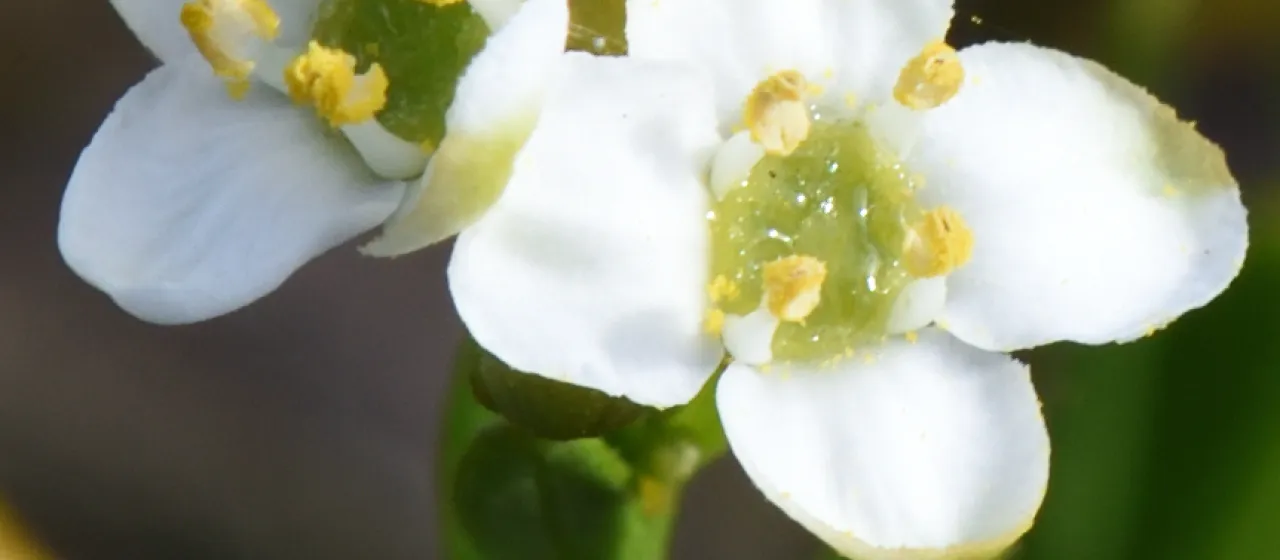
Botanically, the plant presents as a hardy, branching shrub that can reach up to a meter in height. Its leaves are thick and leathery, designed to reduce transpiration. The plant is dioecious, meaning individual bushes are either male or female. The flowers are small, typically white, and emit a subtle, pleasant scent, which is why it bears the epithet caryophyllacea, reminiscent of carnations.
Cultivation of Montinia caryophyllacea requires careful attention to soil drainage. In a garden or greenhouse setting, the plant must be potted or planted in a mineral-rich, porous substrate to prevent root rot. It requires significant exposure to sunlight and should be watered only when the growing medium has dried out completely, mimicking its natural rainfall patterns.
While not a staple agricultural crop, the plant is of value to botanical collectors and those practicing xeriscaping. It has relatively few natural pests, though greenhouse specimens may occasionally attract mealybugs or spider mites. Maintaining good airflow and avoiding humidity buildup are the primary strategies to prevent fungal infections and pest infestations in this hardy species.