
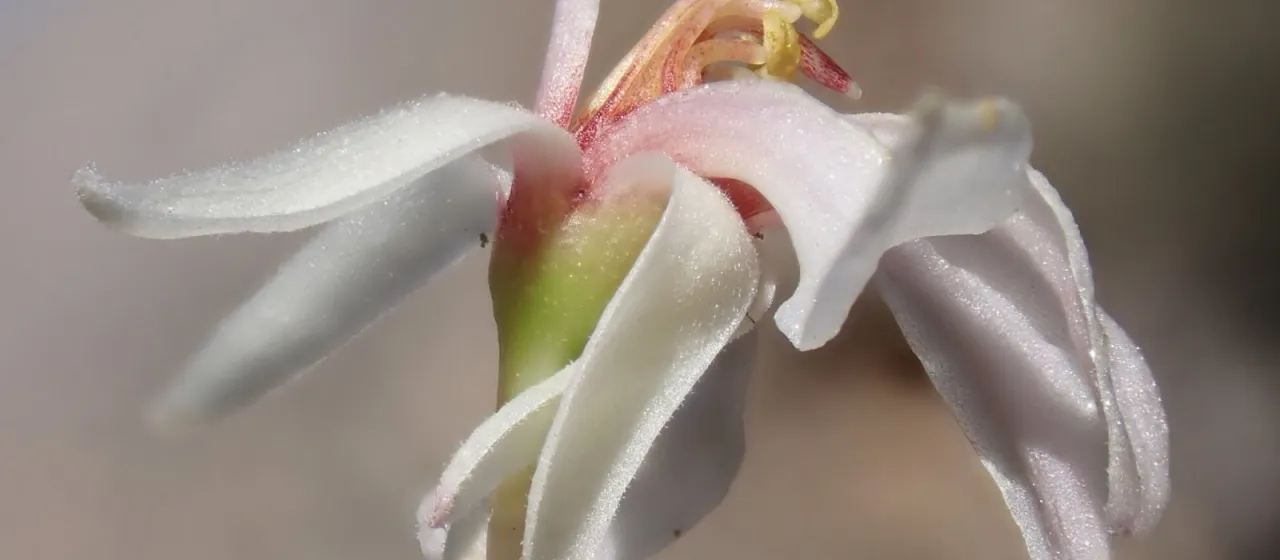
Description
Moringa peregrina is a perennial flowering tree belonging to the Moringaceae family. Renowned for its extreme resilience, this species thrives in harsh, arid, and semi-arid environments where water availability is minimal, marking it as a critical crop for sustainable development in drylands.
Native to the regions spanning the Arabian Peninsula, the Middle East, and parts of northeastern Africa, Moringa peregrina is perfectly adapted to rocky soils and high-temperature climates. Unlike other species in the genus, it demonstrates superior survival rates in desert conditions, often found in wadis and stony mountain slopes.
From a botanical standpoint, this plant develops a robust, deep-reaching taproot system, which is vital for accessing groundwater. It features fine, pinnate leaves that serve as a mechanism to minimize transpiration. The tree produces long, slender pods containing seeds that are highly prized for their oil content, which is rich in unsaturated fatty acids and antioxidants.
Agronomic requirements are centered on the necessity for well-drained soil. The plant is highly sensitive to waterlogging, which often leads to root rot, so cultivation should be avoided in heavy, clay-rich lands that retain moisture. Planting is best achieved through direct sowing of seeds, followed by minimal maintenance, as the tree is naturally suited to survive with little to no human intervention once established.
The economic and agricultural utility of the species is significant:
- Production of high-grade edible and cosmetic oils extracted from the seeds.
- Usage of leaves and pods as forage for livestock in dry seasons.
- Potential applications in traditional medicine for its antimicrobial and anti-inflammatory properties.
- Critical role in soil stabilization and combatting desertification in degraded terrains.
Regarding health and protection, the primary concerns involve soil-borne pathogens in overwatered environments and certain insect larvae that target the canopy. Successful management involves careful site selection to ensure optimal drainage and regular field monitoring to prevent infestations, ensuring the tree's health without excessive chemical use.