
Description
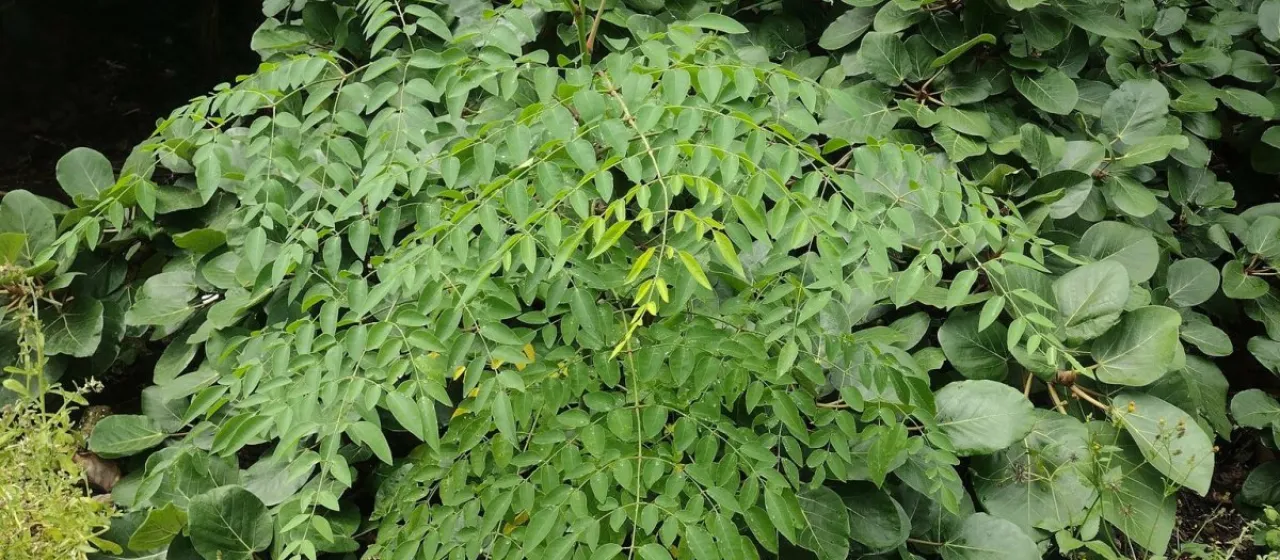
Moringa stenopetala is a remarkable perennial tree belonging to the Moringaceae family, often referred to as the cabbage tree in its native Ethiopia. It is highly valued in East African agroforestry systems for its exceptional ability to withstand prolonged drought and provide high-quality nutrition in regions where other crops fail.
The tree originates from the dry regions of Ethiopia and Kenya, where it has evolved specific physiological traits to survive. It features a succulent trunk that stores water, and its leaves are larger and more fleshy compared to the more common Moringa oleifera. This makes it a robust species capable of thriving in semi-arid environments.
When cultivating this species, site selection is crucial. It requires full sunlight and well-draining, sandy or loamy soils. It is intolerant of waterlogging, which quickly leads to root rot. While it is tolerant of heat, young saplings need protection from extreme cold, as they are not frost-hardy and will perish at temperatures near freezing.
Economically, Moringa stenopetala is a powerhouse. Its leaves are consumed as a staple vegetable, offering significant amounts of protein, Vitamin A, and Vitamin C. Furthermore, the crushed seeds are widely recognized for their water purification properties, acting as natural flocculants that clear turbidity in drinking water supplies.
Agro-management involves moderate pruning to promote the development of new leaves, which are the primary harvested product. While the tree is naturally hardy, farmers should monitor for pests such as aphids and various larvae that may target the foliage during the wet season. Good aeration and avoiding over-irrigation are the best preventative measures against disease.
- Key pests: Aphids and leaf-eating caterpillars.
- Disease risk: Fungal infections during high humidity.
- Optimal conditions: Full sun and well-drained soils.