
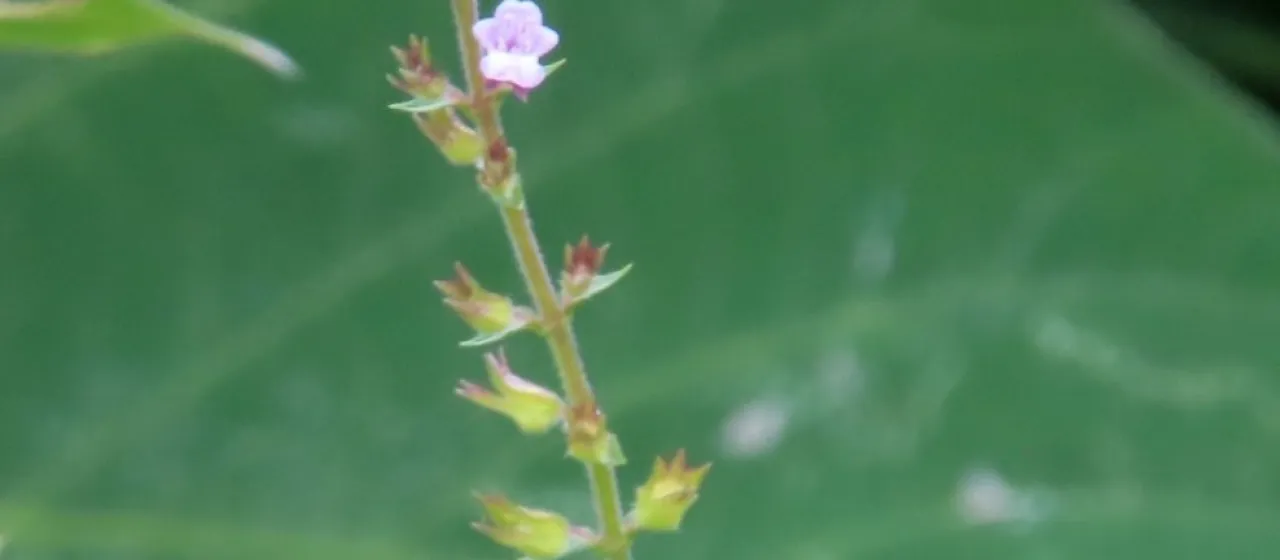
Description
Mosla scabra is an annual herbaceous plant belonging to the Lamiaceae family. It is a highly valued species in East Asian traditional medicine and agriculture, primarily cultivated for its high concentration of essential oils and its distinct aromatic profile which shares similarities with common basil.
The plant originates from the temperate and subtropical regions of East Asia, particularly China, Japan, and Korea. It thrives in humid environments and is typically found growing along stream banks, forest edges, and valley slopes. Modern cultivation practices have adapted these requirements to commercial field settings to ensure high yield and quality of botanical extracts.
Morphologically, Mosla scabra is a branched herb that grows up to 60 centimeters in height. Its stems are characterized by fine hairs, giving the plant a rough texture from which the species name derives. The leaves are typically lanceolate with serrated margins, while the small, purple or pink flowers emerge in late summer, forming loose racemes.
Successful cultivation requires rich, moisture-retentive soil and full sun exposure. As a heat-loving crop, it must be planted after the risk of frost has completely passed. Irrigation management is crucial, as the plant demands constant soil moisture without waterlogging, which could otherwise lead to root rot and other pathogenic infections.
The primary economic use of Mosla scabra revolves around the extraction of essential oils, which are rich in thymol and carvacrol. These compounds are extensively utilized in the pharmaceutical industry for their antiseptic, antiviral, and anti-inflammatory properties. Furthermore, the herb is used in traditional culinary practices as a natural preservative and flavoring agent for fermented foods.
- Key cultivation factors: well-drained soil and consistent sunlight.
- Common threats: root rot pathogens and sap-sucking insects like aphids.
- Harvesting strategy: collection during peak flowering for maximum oil content.