Tolmiea menziesii
Tolmiea menziesii (Pursh) Torr. et A. Gray
Description
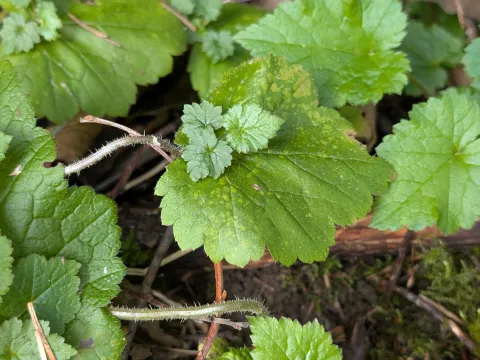
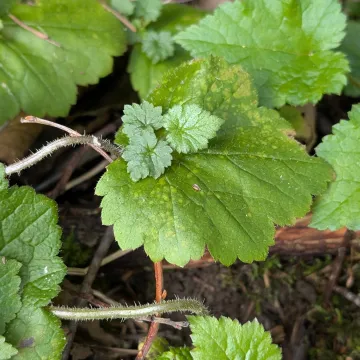
Tolmiea menziesii, commonly known as the piggyback plant or youth-on-age, is a perennial herbaceous species belonging to the Saxifragaceae family. This plant is widely recognized for its heart-shaped foliage and its unique, biological adaptation of producing adventitious plantlets at the base of the leaf blade, which allows for rapid asexual propagation.
The native habitat of this plant includes the temperate rainforests of western North America, stretching from Alaska down to California. In the wild, it thrives in cool, shaded environments with moisture-retentive, humus-rich forest soils. Understanding its native ecological niche is crucial for successfully cultivating this plant in an artificial environment.
Botanically, Tolmiea menziesii features a sprawling habit with large, serrated, pubescent leaves that grow from a central rootstock. While it does produce racemes of small, brownish-purple flowers, the plant is primarily cultivated for its lush, green foliage and the fascinating display of "piggybacking" plantlets that develop as the plant matures.
In terms of horticulture and care, Tolmiea requires consistent soil moisture and protection from direct sunlight, which can scorch the foliage. It is highly suited for cool rooms or shaded outdoor areas where temperatures remain moderate. Optimal maintenance involves regular watering without waterlogging and periodic misting to maintain a high level of humidity, which prevents leaf tip browning.
The agricultural and commercial application of this plant is strictly within the ornamental sector. It serves as an excellent candidate for container gardening, terrariums, and shaded ground cover in suitable climates. Its ease of propagation makes it a favorite among hobbyist gardeners and nursery producers looking for resilient, shade-loving perennials.
Maintenance must include regular monitoring for pests and diseases, which include:
- Spider mites, which thrive in low-humidity, warm indoor environments.
- Aphids, which can infest the succulent young growth.
- Fungal pathogens causing root rot if the growing medium is kept overly saturated.
Photo gallery