
Description
Mountain Daisy (Latin: Ixodia achillaeoides) is a perennial herbaceous plant belonging to the Asteraceae family. In agriculture, it is classified as a specialized crop, primarily valued for its role in the dried flower industry. Its name reflects its resemblance to yarrow, while its structural properties make it a distinct and valuable botanical resource.
The native range of this species is primarily in the southern regions of Australia. The plant is evolutionarily adapted to Mediterranean-type climates, characterized by dry summers and mild winters. In cultivation, it thrives in regions that mimic its natural habitat, requiring ample sunlight and open conditions to ensure consistent growth.
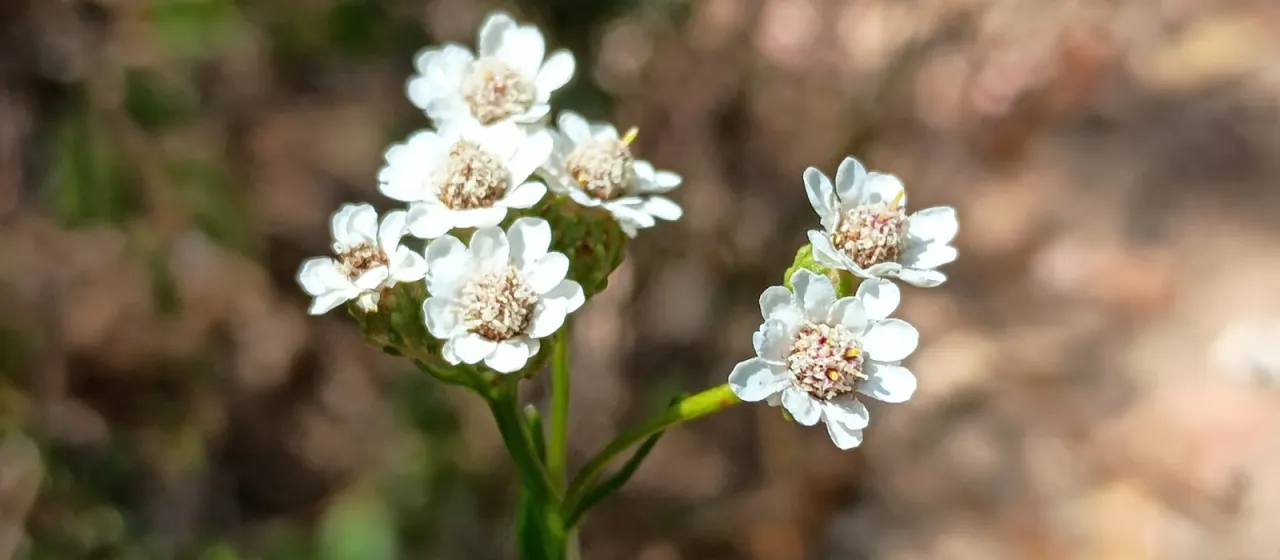
Botanically, the plant is characterized by rigid, upright stems and narrow, leathery leaves designed for water conservation. The inflorescences consist of dense, daisy-like flower heads surrounded by papery, white bracts. These bracts provide the plant with its long-lasting aesthetic appeal, as they do not wilt after being cut and dried.
Agricultural success with Ixodia achillaeoides depends on soil drainage. It requires sandy or rocky soil with a neutral to slightly acidic pH. Poorly drained soil is fatal to the root system, making site selection the most critical factor in the cultivation process. Irrigation should be managed conservatively, focusing on avoiding waterlogging during the growing season.
The primary хозяйственное (commercial) use is in the floral industry. Because the flower heads are remarkably durable, they are extensively used in arrangements, wreaths, and permanent floral decorations. Beyond commercial harvest, it is also utilized in xeriscaping, where it provides high aesthetic value with minimal water requirements.
- Highly drought-tolerant botanical structure.
- Exceptional longevity of dried flowers.
- Low nutritional requirements for soil.
- Excellent performance in sunny, exposed locations.
Regarding plant health, the most common issues are fungal diseases, such as root rot, triggered by high humidity or poor soil drainage. Pest pressures typically involve aphids or spider mites, particularly in greenhouse or sheltered conditions. Maintaining proper airflow and adhering to a strict irrigation schedule are the primary methods for preventing these agricultural setbacks.