
Description
Mucuna mutisiana is a perennial climbing legume belonging to the Fabaceae family. As a vigorous vine, it is recognized for its rapid growth rate, allowing it to cover large areas quickly, which makes it an effective tool for soil protection and organic matter accumulation in tropical farming systems.
The species originates from the tropical regions of South America, specifically the Andean foothills of Colombia. It is cultivated primarily in tropical and subtropical zones characterized by consistent warmth, as it lacks the physiological mechanisms to survive freezing temperatures or prolonged cold spells.
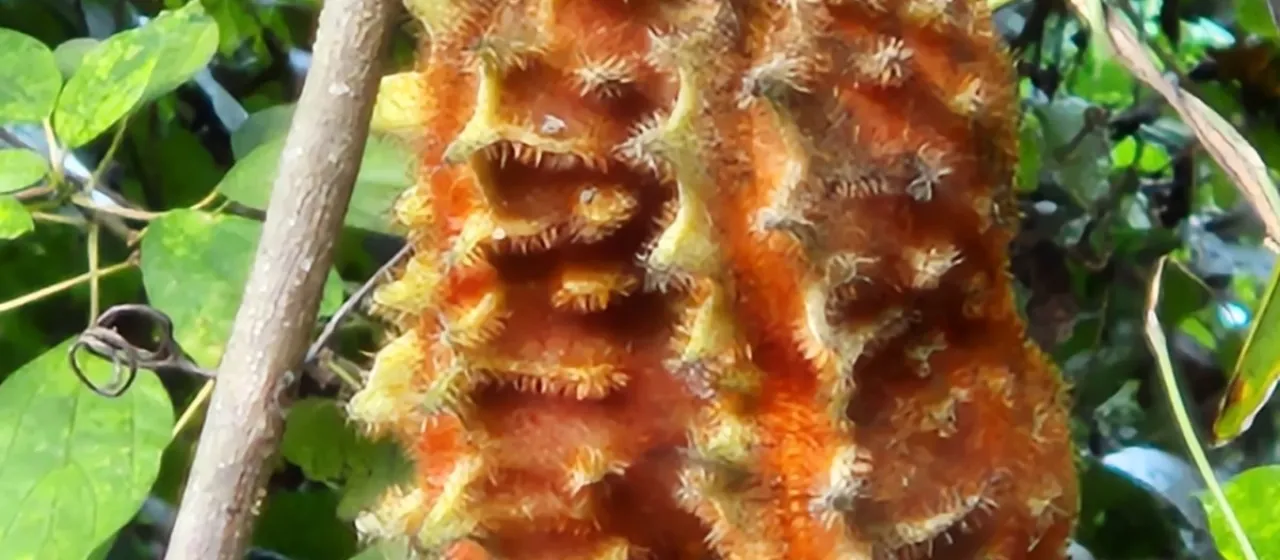
The plant exhibits distinct botanical features, including trifoliate leaves and unique hanging inflorescences. Its pods are often covered in fine, irritating hairs that provide a defensive mechanism against herbivores. The plant's deep root system hosts symbiotic nitrogen-fixing bacteria, which significantly contribute to soil fertility enrichment.
Regarding cultivation, Mucuna mutisiana thrives in well-drained, fertile soils with ample moisture availability. While it is relatively drought-tolerant once established, it prefers consistent rainfall. Agrotechnical management includes controlled planting to ensure the vine does not overwhelm other crops, as its aggressive growth habit can be a challenge in integrated agroforestry systems.
The primary agricultural applications of this crop include:
- Green manure for soil structure improvement.
- Cover cropping to suppress invasive weed growth.
- Soil erosion control on slopes.
- Potential animal forage (requiring processing to reduce anti-nutritional factors).