
Description
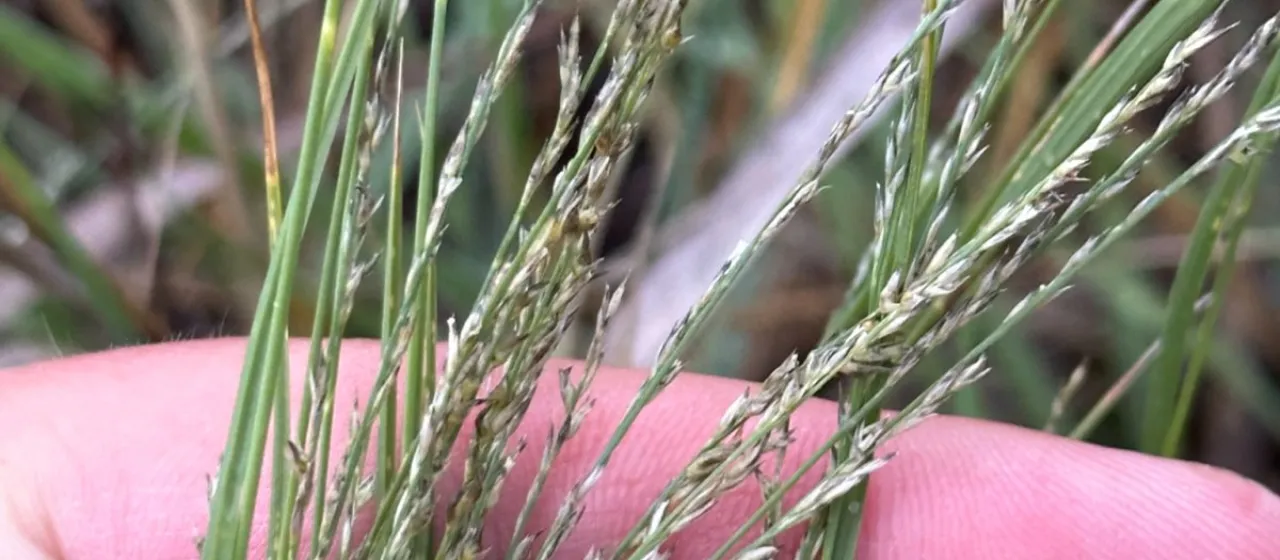
Plains muhly (Muhlenbergia cuspidata) is a perennial grass species belonging to the Poaceae family. This native North American grass is recognized for its significant role in prairie ecosystems and its resilience in challenging environmental conditions. It is increasingly utilized in conservation agronomy and sustainable land management practices.
The native range of this grass is primarily located in the central and northern parts of North America. It is naturally adapted to a wide array of habitats, including dry prairies, rocky slopes, and limestone glades. This geographical range defines its inherent capacity to withstand both extreme heat and cold, making it a reliable candidate for land restoration projects.
Botanically, this species is characterized by its bunch-type growth habit, reaching heights of 30 to 60 centimeters. The plant produces slender, wiry stems and narrow leaves, which are well-adapted to reduce transpiration rates. Its root system is exceptionally efficient at binding the soil, providing structural stability to the terrain and protecting against wind and water erosion.
Agricultural requirements for Plains muhly are focused on maintaining its preferred ecological niche. It demands full sun exposure and well-drained, alkaline, or gravelly soils. While it is highly drought-tolerant once established, growers should avoid over-grazing the stands, as the plant needs sufficient biomass to maintain vigor and reproductive success throughout the growing season.
- Requires minimal chemical inputs due to high natural resistance.
- Excellent for soil stabilization and erosion control.
- Suitable for dryland pasture improvement.
- Highly resilient to low-fertility soils.
In terms of agricultural use, the species is mainly deployed for phytoremediation and as a component of native pasture seeding mixes. Common pests and diseases are minimal, though producers should watch for root rot in waterlogged conditions and leaf spot fungi in humid environments. Proper site selection remains the most effective management strategy for this hardy grass.