
Description
Mexican muhly (Muhlenbergia mexicana) is a perennial grass species belonging to the Poaceae family. This species is recognized for its rhizomatous growth habit, which allows it to form dense clusters or colonies in various habitats. As a member of the diverse Muhlenbergia genus, it occupies a significant role in the botanical landscape of North America, serving both ecological and potential agricultural functions.
The native range of this species spans across the majority of North America, extending from parts of Canada throughout the United States. It naturally thrives in moist to wet environments, such as floodplains, stream banks, marshes, and damp meadows. Its evolutionary adaptation to these environments makes it a highly resilient grass capable of surviving seasonal flooding, which is a key trait for wetland vegetation management.
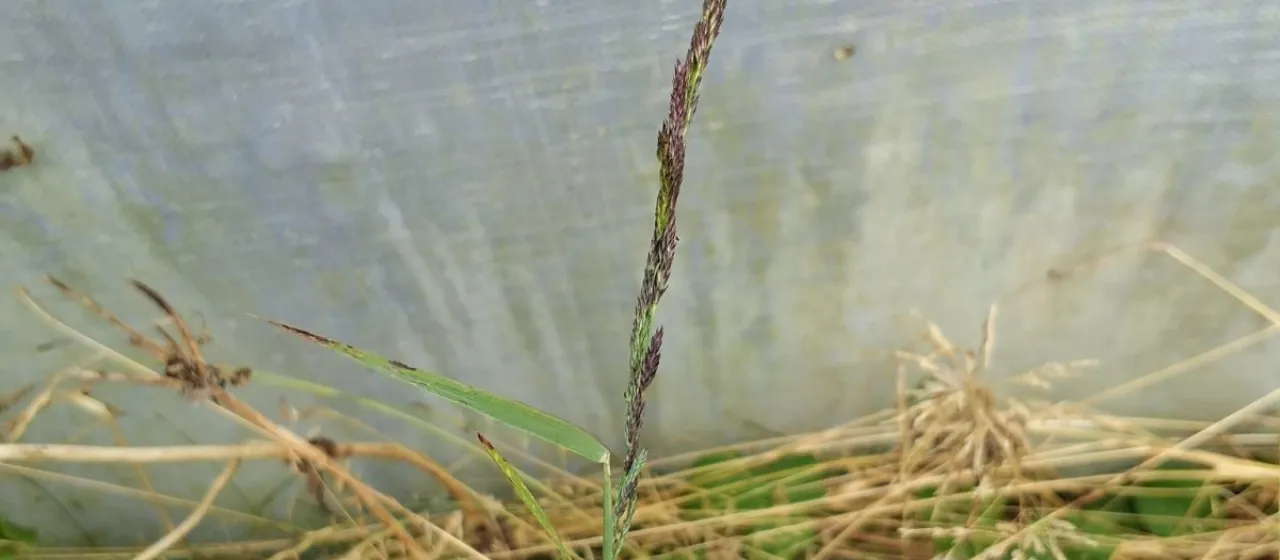
Botanically, Muhlenbergia mexicana is characterized by its rhizomes and upright or sprawling stems, reaching heights between 30 and 100 centimeters. The leaves are typically narrow, flat, and linear. The inflorescence is a panicle, which exhibits variability in density, often appearing somewhat contracted or spike-like. This morphological diversity is essential for identifying the species within its complex genus.
Regarding climatic and soil requirements, the species favors fertile, moist soils with good water-holding capacity. While it prefers moist sites, it exhibits some drought tolerance once established. For optimal cultivation, maintaining a pH balance that is slightly acidic to neutral is recommended. In an agricultural setting, site preparation should focus on drainage management to prevent stagnant conditions that could hinder early-stage development.
In terms of хозяйственное usage, Mexican muhly is primarily valued for its soil stabilization properties. Its extensive root system makes it an excellent candidate for erosion control along water bodies or disturbed slopes. While it is not a major commercial crop, it can contribute to the nutritional value of native forage in extensive grazing systems. Typical pests and diseases include various leaf spot pathogens and aphids, which are common to many perennial prairie grasses and require standard monitoring during the peak growing season.