
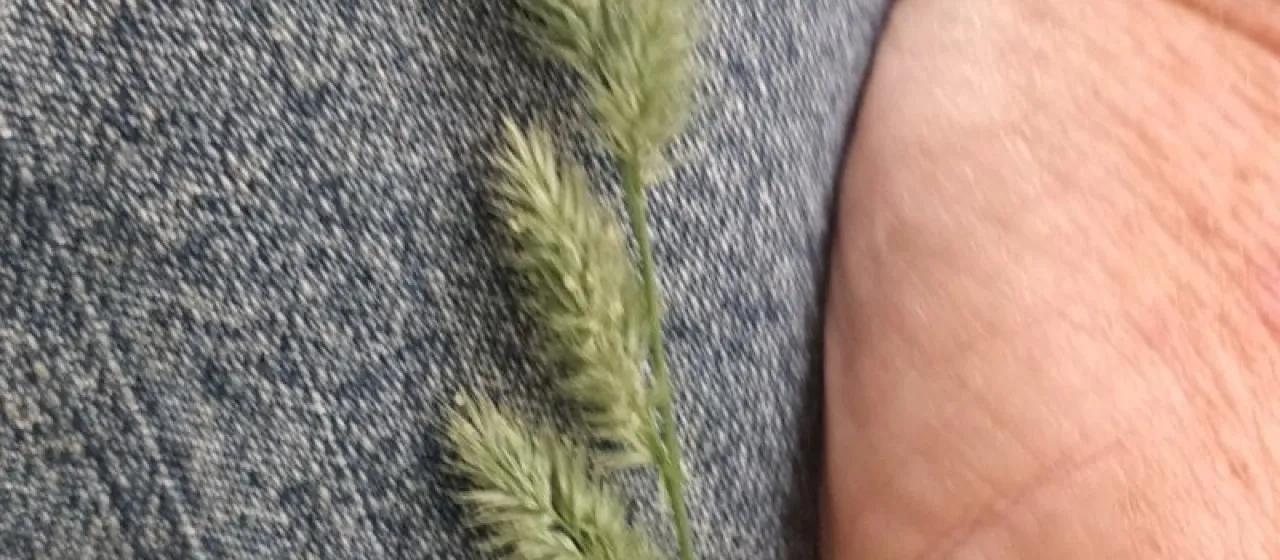
Description
Marsh muhly (Muhlenbergia racemosa) is a perennial grass species belonging to the Poaceae family. This species is recognized for its robust rhizomatous growth habit, naturally occurring throughout North America in diverse habitats such as marshes, riverbanks, and open prairies.
The native range of this plant encompasses much of the United States and southern Canada. Its adaptability to varying soil moisture levels—from wet meadows to relatively dry limestone outcroppings—demonstrates a high level of ecological plasticity, making it a reliable subject for botanical study.
Botanically, it is characterized by erect stems typically ranging from 30 to 90 cm in height. The inflorescence is a dense, spike-like panicle, appearing from late summer through autumn. Its narrow leaf blades are distinctive and contribute to the plant's structural integrity during the growing season.
Regarding agrotechnology, the crop thrives in full sun but can tolerate partial shade. It prefers moist, well-drained soils, although it shows remarkable drought tolerance once established. Standard cultivation practices include monitoring for weed encroachment during the initial establishment phase and ensuring adequate fertilization if used for forage production.
The agricultural and environmental utility of Marsh muhly is significant in erosion control and soil stabilization, particularly in riparian zones. Its deep-reaching root system makes it an excellent candidate for land reclamation projects. While generally hardy, the plant can be susceptible to common grass pathogens like rusts if environmental conditions remain stagnant or overly humid, requiring proper field management to prevent outbreaks.