
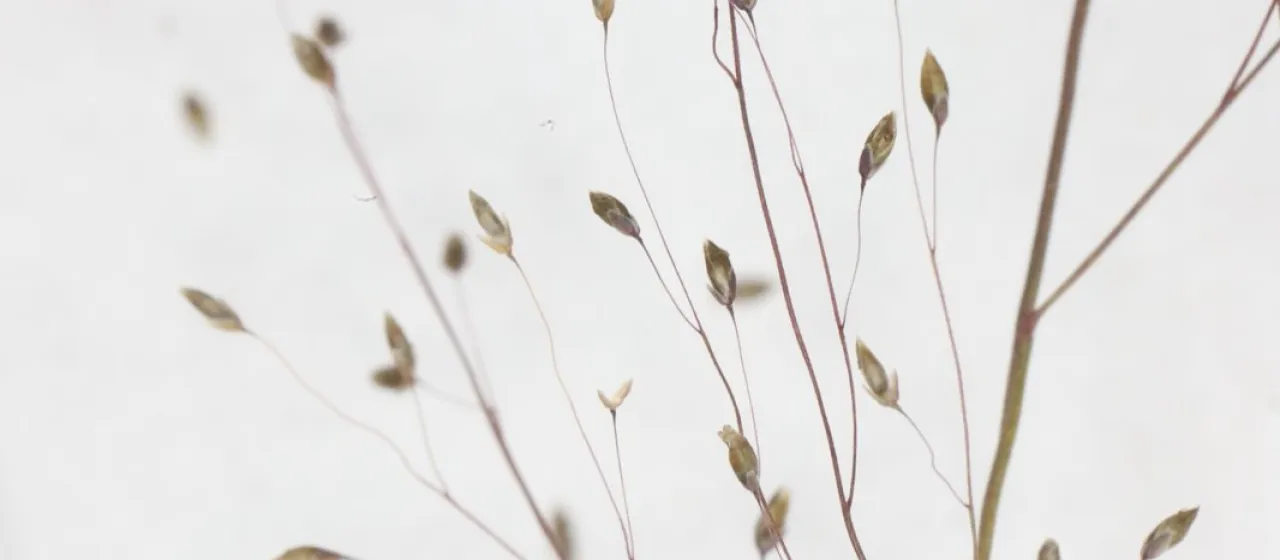
Description
Muhlenbergia uniflora, commonly known as bog muhly, is a perennial grass species belonging to the Poaceae family. While not a primary cereal crop, it is of significant interest in ecological restoration and sustainable land management due to its unique physiological adaptations to specialized environments.
The native range of this grass is primarily located in North America. It is typically found in wet, sandy, or peaty soils, including meadows, marshes, and acidic bogs. This geographical distribution highlights the plant's ability to thrive in nutrient-poor substrates, making it a candidate for low-input land reclamation projects.
Botanically, the species is distinguished by its delicate, thread-like stems and single-flowered spikelets. The root system is fibrous and dense, which provides structural integrity to the soil, effectively preventing wind and water erosion in sensitive habitats where this plant naturally occurs.
Agronomic requirements include full sun exposure and well-drained but consistently moist soil conditions. The plant is relatively low-maintenance, requiring minimal chemical intervention when cultivated in suitable environments. Proper spacing is essential to ensure adequate airflow and prevent the development of fungal pathogens common in dense grass stands.
Agricultural and landscape applications involve erosion control, habitat restoration, and the creation of biodiversity-rich meadows. While generally hardy, the plant can be susceptible to common grass pathogens such as rust fungi during prolonged damp weather. Managing these risks involves ensuring proper drainage and avoiding excessive nitrogen fertilization that could weaken cell walls.