Description
Late Oyster (scientific name Panellus serotinus, commonly known as Mukitake) is an edible wood-decay fungus belonging to the Mycenaceae family. In the context of modern mushroom farming, this species is recognized for its dense, meaty texture and excellent culinary profile, making it a highly valued crop for specialized agricultural production.
Originating from the temperate forests of the Northern Hemisphere, including regions of Japan, North America, and Europe, this fungus has transitioned from wild harvesting to controlled indoor cultivation. It effectively utilizes lignin and cellulose, allowing growers to process agricultural waste products into high-quality, nutritious food products through biological recycling.
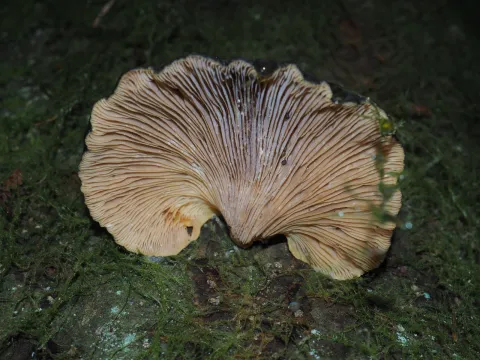
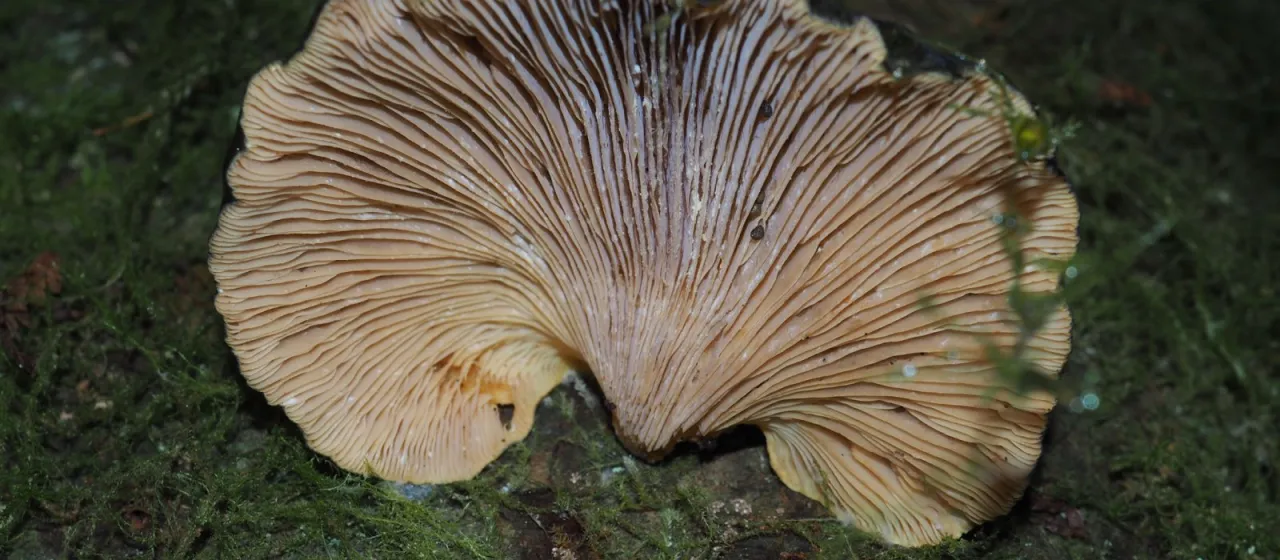
Botanically, the species is identified by its fan-shaped caps that display colors ranging from olive-yellow to reddish-brown. The gills are crowded and decurrent, running down onto a reduced, lateral stem. The mushroom is remarkably resilient to cold weather, a biological trait that dictates the specific climatic needs for its successful artificial production.
Cultivation requires precise environmental control to ensure high biological efficiency. The optimal growing conditions involve temperatures between 10°C and 15°C, coupled with high relative humidity levels (85–90%). The substrate is typically formulated from hardwood sawdust supplemented with nitrogen-rich additives, such as wheat bran, to facilitate vigorous mycelial growth and fruit body development.
Key agronomic considerations and best practices include:
- sterilization of substrate materials to prevent contamination by competing fungi;
- maintenance of steady airflow to manage CO2 concentrations during the pinning stage;
- implementation of biosecurity measures to prevent the entry of pests;
- harvesting at the peak of maturity to ensure maximum shelf life and flavor.
The crop is susceptible to common mushroom pests and diseases, such as Trichoderma green mold and various species of fungus gnats. Effective management strategies focus on maintaining hygienic production conditions, utilizing certified spawn, and adjusting environmental parameters based on the specific developmental stage of the mushroom to minimize potential losses.
Photo gallery