
Description
Ellangowan poison bush (Myoporum deserti) is a robust, evergreen shrub belonging to the family Scrophulariaceae. Renowned for its extreme resilience, this plant is a key species in arid and semi-arid environments, demonstrating remarkable physiological adaptations to water scarcity and poor soil conditions.
Originating from Australia, it occupies a vast range across the continent's interior. It is commonly found in scrublands and woodland areas, often thriving in climates where other vegetation fails to survive. Its ability to colonize harsh, arid landscapes makes it an essential species for maintaining ecological balance in desert regions.
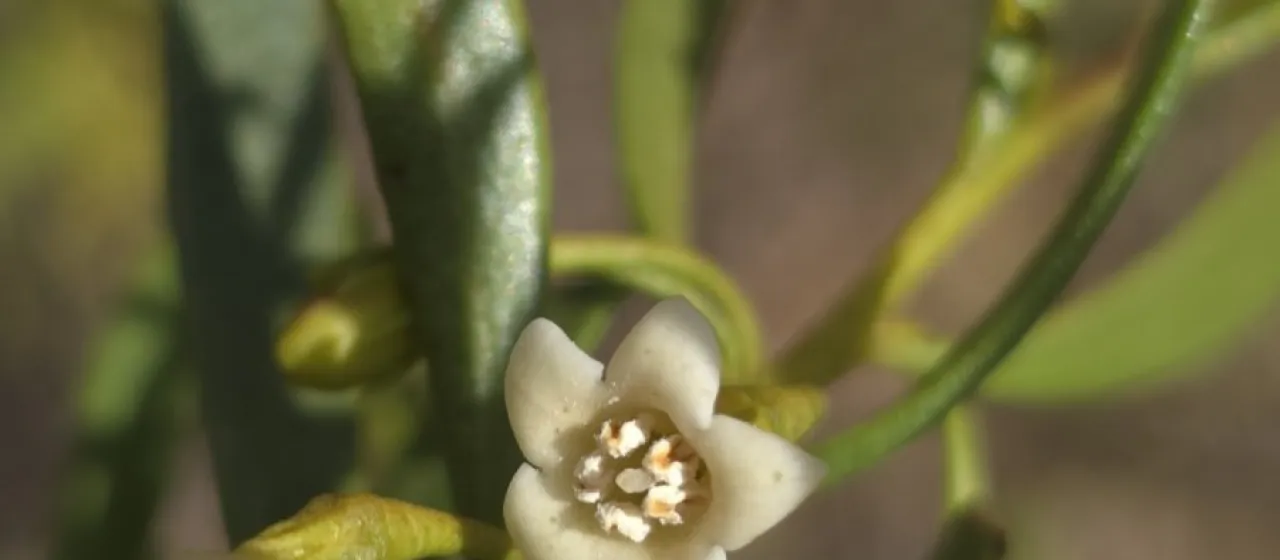
The botanical structure of Myoporum deserti is characterized by dense, often sticky foliage and small, white or pinkish flowers. The leaves are rich in essential oils, which serve as a protective mechanism against intense UV radiation and heat. The fruits are succulent, small berries that serve as food for various arid-zone animals and birds.
Cultivation requirements for this shrub are minimal compared to traditional agricultural crops. It thrives in well-drained, sandy soils and is highly tolerant of saline conditions. When planting, it is crucial to ensure excellent drainage, as the plant is highly susceptible to root rot caused by waterlogged soil. Once established, it requires little to no maintenance, relying solely on natural rainfall.
In terms of хозяйственное использование, the shrub is primarily utilized for soil stabilization and windbreak formation in desert reclamation projects. While it is rarely grown for food production on a commercial scale, its historical significance and current ecological value are substantial. Growers should remain vigilant against common pests such as scale insects and aphids, and implement proper soil management to prevent fungal pathogens.