
Description
The Chatham Island forget-me-not (Myosotidium hortensia) is a perennial herbaceous plant belonging to the Boraginaceae family. Known for its distinct large, fleshy leaves and vibrant blue flower clusters, this plant is a botanical rarity that resembles a giant version of the common garden forget-me-not, standing out as a unique specimen in any collection.
This species is native to the Chatham Islands, an archipelago off the coast of New Zealand. In its natural habitat, it thrives in cool, coastal conditions, specifically on sandy dunes and rocky shores. Because of its restricted endemic range, it has become a sought-after plant for botanical gardens and specialized collectors who wish to preserve and propagate this threatened species.
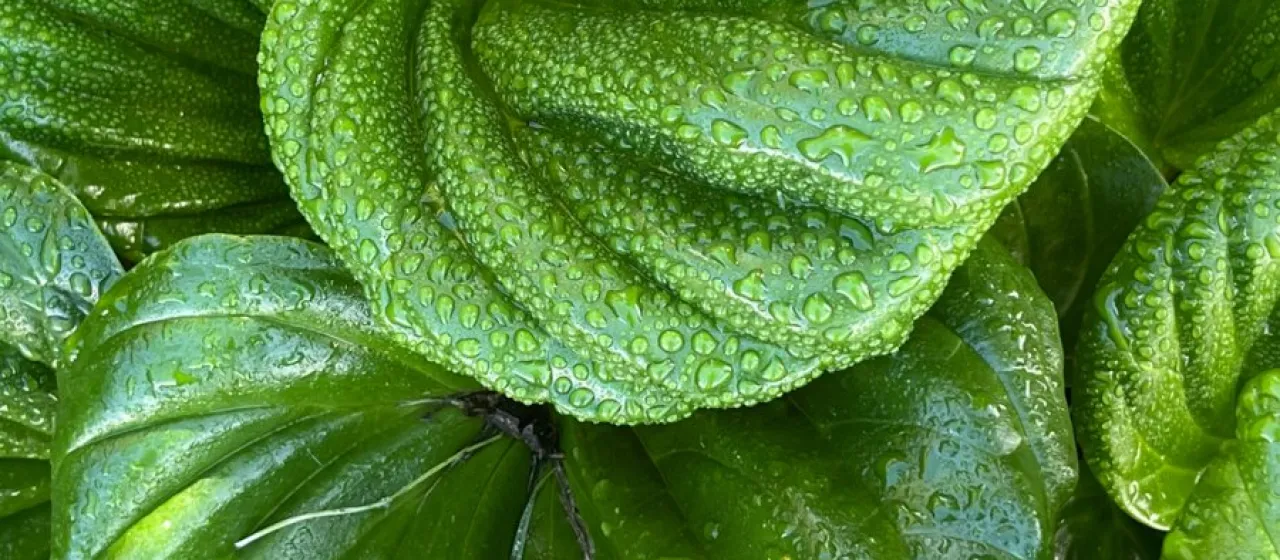
Botanically, the plant is characterized by its large, heart-shaped, glossy leaves that can grow up to several inches in width. The flowers are arranged in large, rounded clusters, typically displaying shades of deep blue, azure, or sometimes white. The plant develops a thick, rhizomatous root system that helps it survive in coastal environments, reaching a height of about 50 centimeters.
Cultivation requirements for this species are specific: it demands a cool maritime climate. It struggles significantly in high temperatures and full, harsh sunlight, preferring shaded or semi-shaded locations. The soil must be nutrient-rich, organic-heavy, and possess excellent drainage capabilities to mimic the well-draining sandy environment of its origin while maintaining consistent moisture levels.
Regarding its use and maintenance, the Chatham Island forget-me-not is exclusively used as an ornamental plant in temperate coastal gardens or shaded garden borders. Growers must be vigilant about pests such as snails and slugs, which are particularly attracted to the plant's succulent foliage. Furthermore, keeping the soil moist but not waterlogged is essential to prevent fungal issues and root rot, which are the most common health problems for this crop.