
Description
The Early forget-me-not (Myosotis ramosissima) is an annual plant belonging to the Boraginaceae family. Known for its ability to thrive in drier habitats than its relatives, it serves as an interesting subject for both botanical research and low-maintenance landscape design. It is specifically adapted to environments that experience rapid changes in moisture availability.
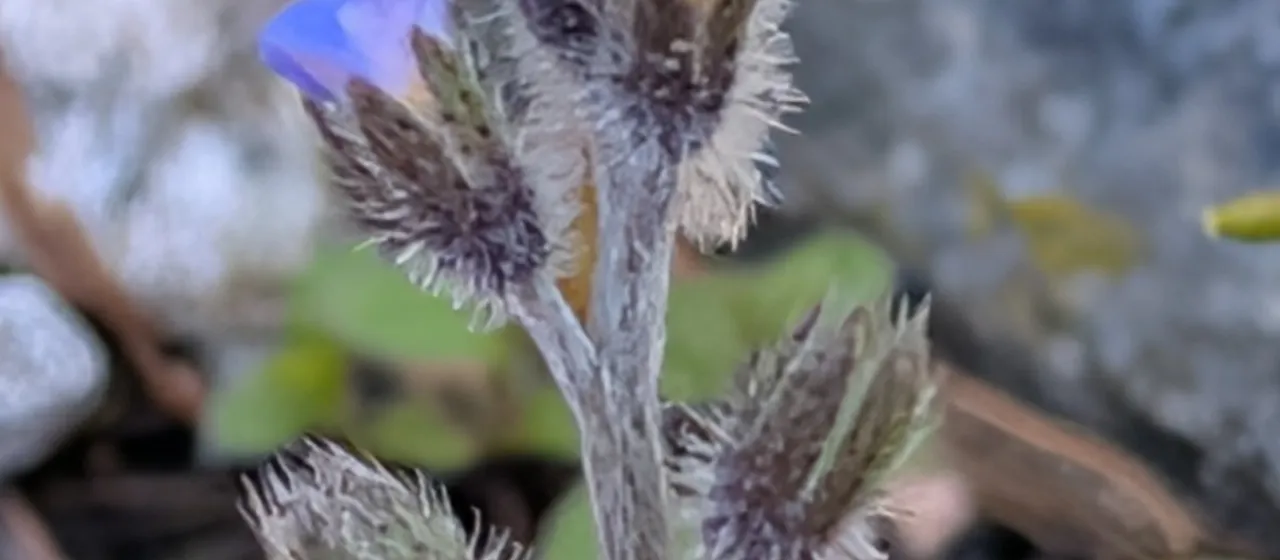
Botanically, this species is characterized by its small size, typically ranging from 5 to 25 cm, and its heavily branched stem structure. The leaves are generally lanceolate, and the small, sky-blue or occasionally white flowers appear in coiled inflorescences. Its lifecycle is relatively short, allowing it to complete its reproductive stage during the favorable conditions of the spring season.
Geographically, it is widespread across Europe and parts of Western Asia and North Africa. It is commonly found in sandy fields, rocky outcrops, and disturbed agricultural lands. While not a conventional crop in large-scale farming, its role as a decorative ground cover in xeriscaping or ecological restoration projects is increasingly recognized by horticulturists.
Regarding cultivation requirements, Myosotis ramosissima prefers well-drained, sandy soils with low nutrient levels. It is a heliophilous plant, meaning it requires full sunlight to bloom successfully. Unlike more sensitive species, it does not require significant fertilization or irrigation, making it an excellent candidate for sustainable, low-input gardening practices.
Common phytosanitary concerns for this species include:
- Powdery mildew infections during periods of high humidity.
- Root rot pathogens triggered by poor soil drainage.
- Aphid infestations that can weaken the plants during the peak flowering stage.