
Description
Refracted forget-me-not (Myosotis refracta) is a herbaceous flowering plant belonging to the Boraginaceae family. While often categorized as a wild species, its unique morphological features make it a subject of interest in both botanical studies and specialized horticultural applications. Unlike common garden varieties, this species is adapted to rugged environments, displaying distinct structural characteristics.
The origin of Myosotis refracta is closely linked to the arid and mountainous regions of Central Asia. Its natural range consists of rocky substrates, steep slopes, and high-altitude steppes. This evolutionary background has endowed the plant with a remarkable resilience to extreme thermal fluctuations, drought, and low-fertility soils, allowing it to survive where more demanding agricultural crops would fail.
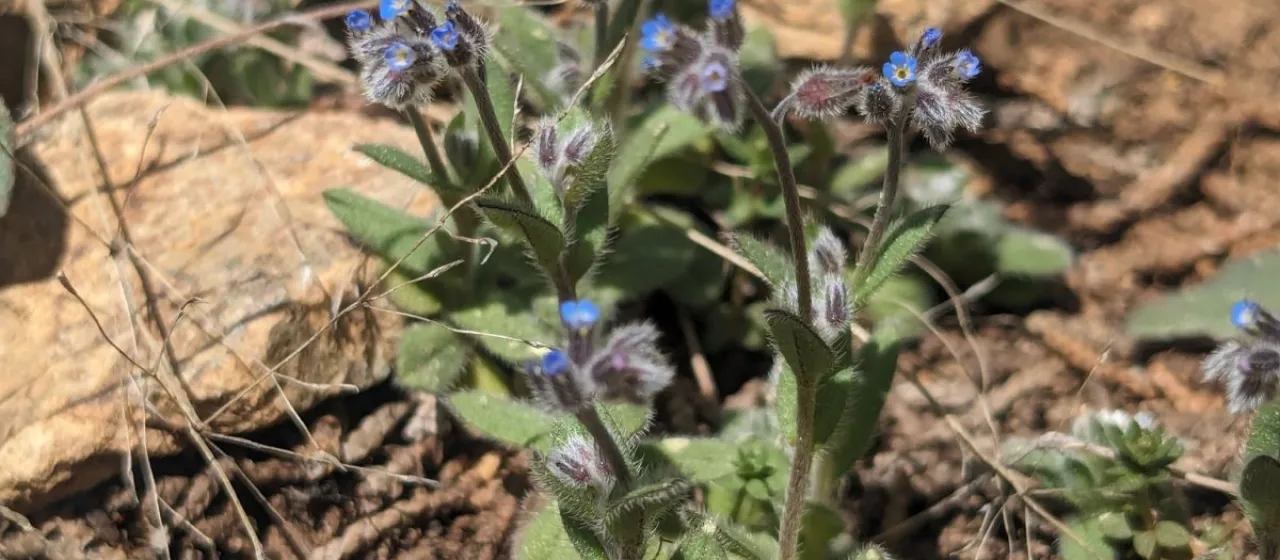
Botanically, the species is distinguished by its pubescent stems and leaves, which serve as a mechanism to minimize transpiration. The most diagnostic feature is the inflorescence, where the pedicels become sharply bent or "refracted" as the fruits mature, providing the plant with its specific name. The flowers are typically small and brilliant blue, typical of the genus, appearing during the peak of the growing season.
Cultivation requirements for this species focus primarily on soil structure and moisture control. It thrives in well-draining, slightly alkaline soils, ideally mimicking its native rocky habitat. Excessive irrigation is the most common cause of crop failure, as the root system is highly susceptible to crown rot if left in waterlogged conditions. Fertilizer application should be minimal, as the plant is adapted to nutrient-poor environments.
In terms of agricultural management, potential diseases include powdery mildew and fungal leaf spots, typically triggered by high humidity levels. Common pests include aphids and mites, which can be managed via Integrated Pest Management (IPM) practices, emphasizing low-chemical intervention. The primary commercial utility lies in its use for alpine rock garden aesthetics and the restoration of degraded mountain landscapes.
- Family: Boraginaceae
- Native Habitat: Mountainous/Steppe regions
- Soil Preference: Stony, well-draining
- Hardiness: High thermal tolerance
- Maintenance: Low-intensity