
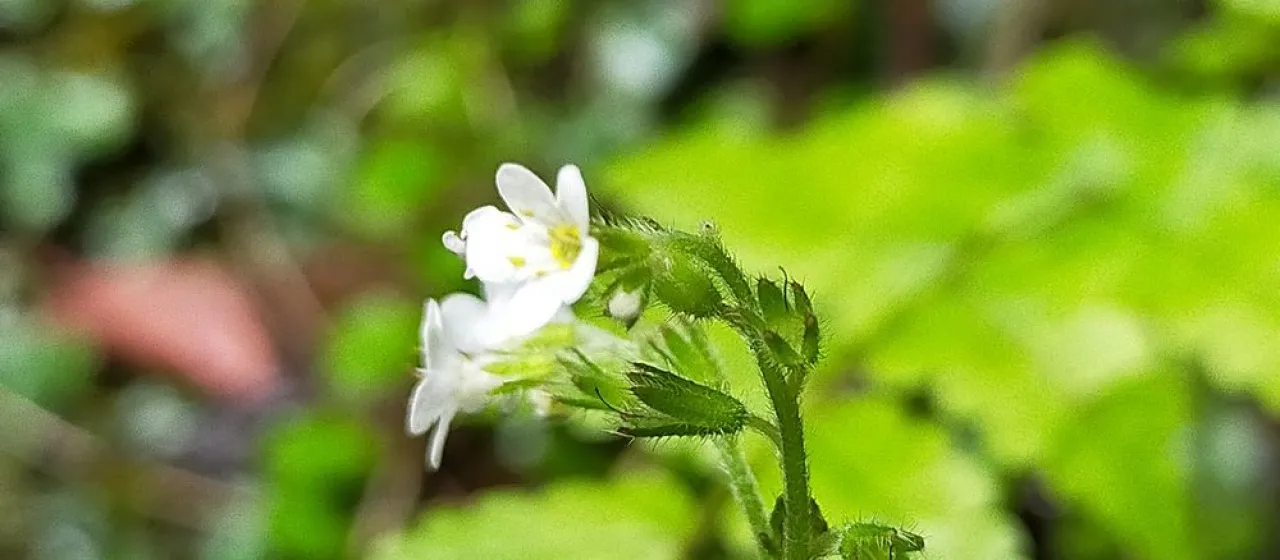
Description
Veined forget-me-not (Myosotis venosa) is a distinct herbaceous plant belonging to the Boraginaceae family. As a niche agricultural and horticultural crop, it is highly valued for its unique appearance, specifically its leaf structure, which sets it apart from more common garden varieties within the Myosotis genus.
The origin and primary habitat of Myosotis venosa are localized to regions within New Zealand. It thrives in temperate, humid environments, often found in high-altitude areas or near water bodies where moisture levels are consistent throughout the growing season. Successful cultivation outside its native range requires mimicking these specific ecological conditions.
Botanically, the species is characterized by its prominent venation on the leaves, which provides its common name. The plant exhibits a compact growth habit with stems covered in fine trichomes. The flowers are arranged in helicoid cymes—the signature inflorescence of the family—typically producing small, delicate blooms that are highly attractive to local pollinators.
Requirements for soil and climate involve maintaining a high level of humidity while ensuring excellent drainage to prevent root rot. The ideal soil profile is slightly acidic to neutral, rich in organic matter. Regarding climate, the plant prefers cooler temperatures and shade or partial shade, as exposure to intense heat can lead to rapid wilting and plant stress.
The primary use of Myosotis venosa is ornamental, specifically for rock gardens or specialized botanical collections. Like many species in the Boraginaceae family, it is susceptible to typical pests such as aphids and slugs, and can be prone to fungal diseases if kept in poorly ventilated or excessively damp environments. Regular monitoring and proper site selection are essential for plant health.